Search This Blog

Showing posts with label Government Domain. Show all posts

Wednesday, August 30, 2023

The Government Domain – Next to the Royal Botanic Gardens – Macquarie Street – Sydney – NSW


The Government Domain - Next To The Royal Botanic Gardens - Macquarie Street - Sydney - NSW


The Domain is a large public park located in Sydney, New South Wales, situated to the east of the Sydney Central Business District (CBD) and adjacent to the Royal Botanic Garden. It has a rich history and has played various roles over the years. Here's an overview of the history of the Domain:

  1. Early Land Use: The land on which the Domain now stands was originally part of the traditional lands of the Gadigal people, the indigenous inhabitants of the Sydney area. After European colonization, the land was initially used for farming and as a source of food for the early settlers.

  2. Colonial Government Farm: In the early 19th century, the Domain was designated as a government farm by Governor Lachlan Macquarie. It was used for growing crops, including corn and vegetables, to help feed the growing colony. However, its proximity to the Governor's Residence (now Government House) and its scenic location soon led to its development as a public space.

  3. Transformation into a Public Park: In 1816, Governor Macquarie decided to transform the Domain into a public park, making it one of the earliest public parks in Australia. This decision was part of Macquarie's vision for Sydney as a civilized and attractive city. The park was laid out with tree-lined avenues and open spaces for recreation.

  4. Historical Landmarks: Over the years, several historical landmarks were established within the Domain, including the Obelisk (built in 1857), which served as a timekeeping device, and the Captain Cook statue (erected in 1879), which commemorates the explorer James Cook's discovery of the eastern coast of Australia.

  5. Protest and Rally Site: The Domain has been a site for political protests and rallies throughout its history. It has been a place where Australians have gathered to advocate for various causes and express their views on important issues. One of the most significant gatherings was the 1970 Vietnam Moratorium Campaign, which drew large crowds to protest against the Vietnam War.

  6. Cultural Events: The Domain has also been a venue for cultural events and entertainment, including outdoor concerts and performances. Its central location and large open spaces make it an ideal venue for hosting such events.

  7. Contemporary Use: Today, the Domain is a popular recreational area for residents and visitors alike. It features expansive lawns, walking paths, and stunning views of Sydney Harbor and the city skyline. It continues to be used for cultural events, including the annual Symphony in The Domain concert, which is a highlight of the Sydney Festival.

  8. Conservation and Preservation: Efforts have been made to preserve and maintain the natural beauty and historical significance of the Domain. Conservation initiatives aim to protect the park's flora and fauna, as well as its cultural heritage.

The Domain is not only a green oasis in the heart of Sydney but also a place with a rich history that reflects the city's growth and development over the centuries. It remains an essential part of Sydney's public life and culture.

The Macquarie Wall – The Royal Botanic Gardens


The Macquarie Wall – The Royal Botanic Gardens


The Macquarie Wall, also known as the Macquarie Street Wall, is a historic sandstone retaining wall located in the Royal Botanic Garden in Sydney, New South Wales. It has a rich history that is closely tied to the development of the garden and the city itself. Here is an overview of the history of the Macquarie Wall:

  1. Early Colonial Sydney: The history of the Macquarie Wall dates back to the early 19th century when Sydney was still a fledgling colony. The Royal Botanic Garden was established in 1816 by Governor Lachlan Macquarie, who was a significant figure in the early history of New South Wales.

  2. Construction: The Macquarie Wall was built between 1812 and 1816 as part of Governor Macquarie's ambitious project to create a garden that would serve both scientific and aesthetic purposes. The wall was constructed using locally quarried sandstone, and it played a crucial role in terracing the garden's slopes.

  3. Terracing and Landscape Design: The wall was designed to create level terraces, allowing for the cultivation of plants from around the world. It provided structural support to the garden's layout, which included plantings of various species, some of which were brought to Australia by early European explorers.

  4. Historical Significance: The Macquarie Wall is not only significant for its role in the garden's design but also for its historical importance. It is considered one of the earliest surviving examples of stonemasonry in Sydney and a testament to the craftsmanship of the period.

  5. Conservation Efforts: Over the years, the Macquarie Wall has required ongoing maintenance and restoration work to preserve its structural integrity and historical significance. Conservation efforts have aimed to ensure that the wall continues to serve its original purpose while being accessible to the public.

  6. Public Access: Today, the Macquarie Wall is a prominent feature of the Royal Botanic Garden and is easily accessible to visitors. It provides an excellent vantage point for viewing the garden's plantings and enjoying the scenic beauty of the area.

  7. Heritage Status: The Macquarie Wall, along with the Royal Botanic Garden as a whole, is recognized as a heritage site. It is an important part of Sydney's historical and cultural landscape, reflecting both the city's colonial past and its ongoing commitment to horticulture and botanical science.

The Macquarie Wall stands as a testament to the vision of Governor Lachlan Macquarie, who played a crucial role in the development of early Sydney and its public institutions. It continues to be an integral part of the Royal Botanic Garden, serving as a link between the city's past and its vibrant botanical present.


Thursday, November 26, 2020

State Library Of New South Wales - Mitchell Wing - Macquarie Street - Sydney


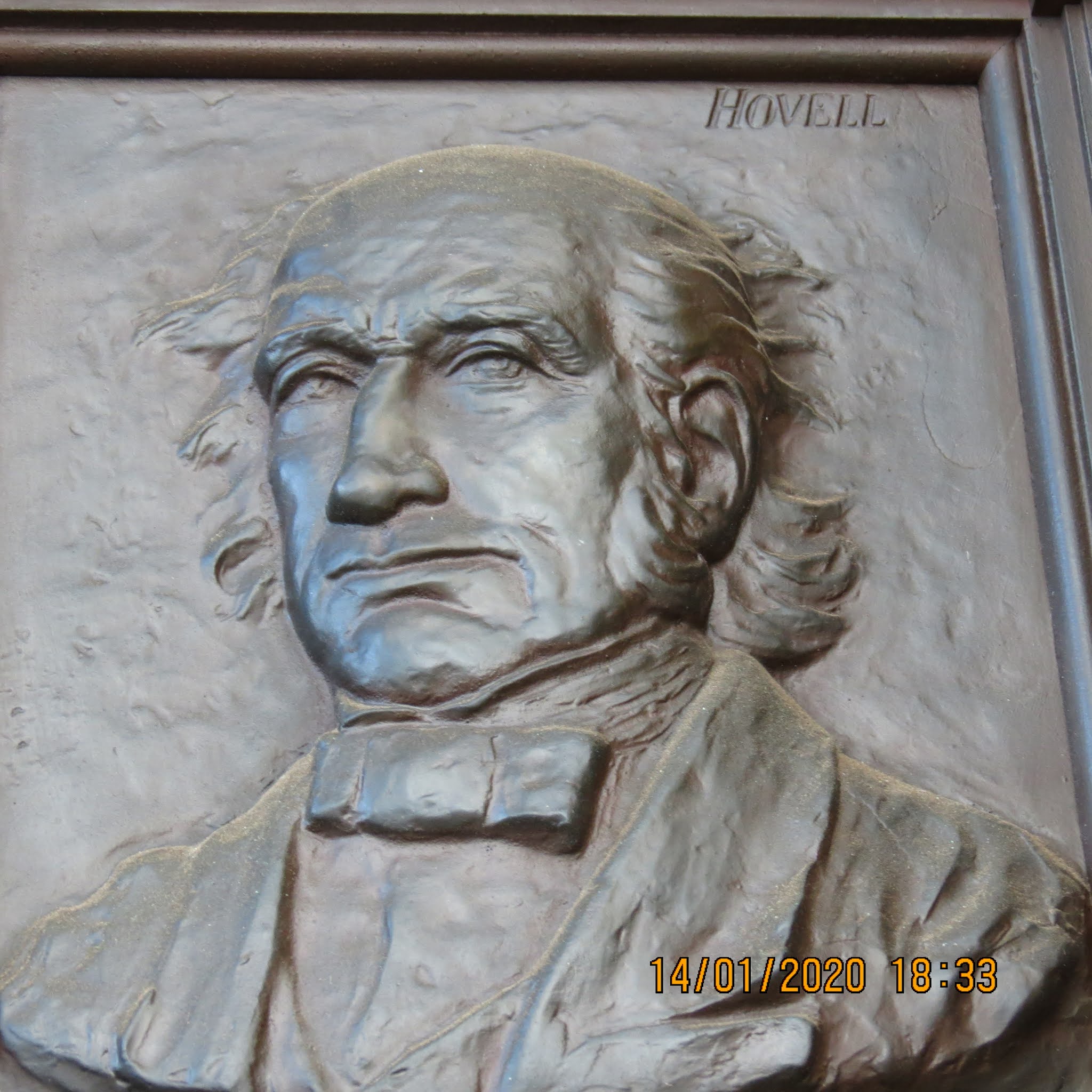
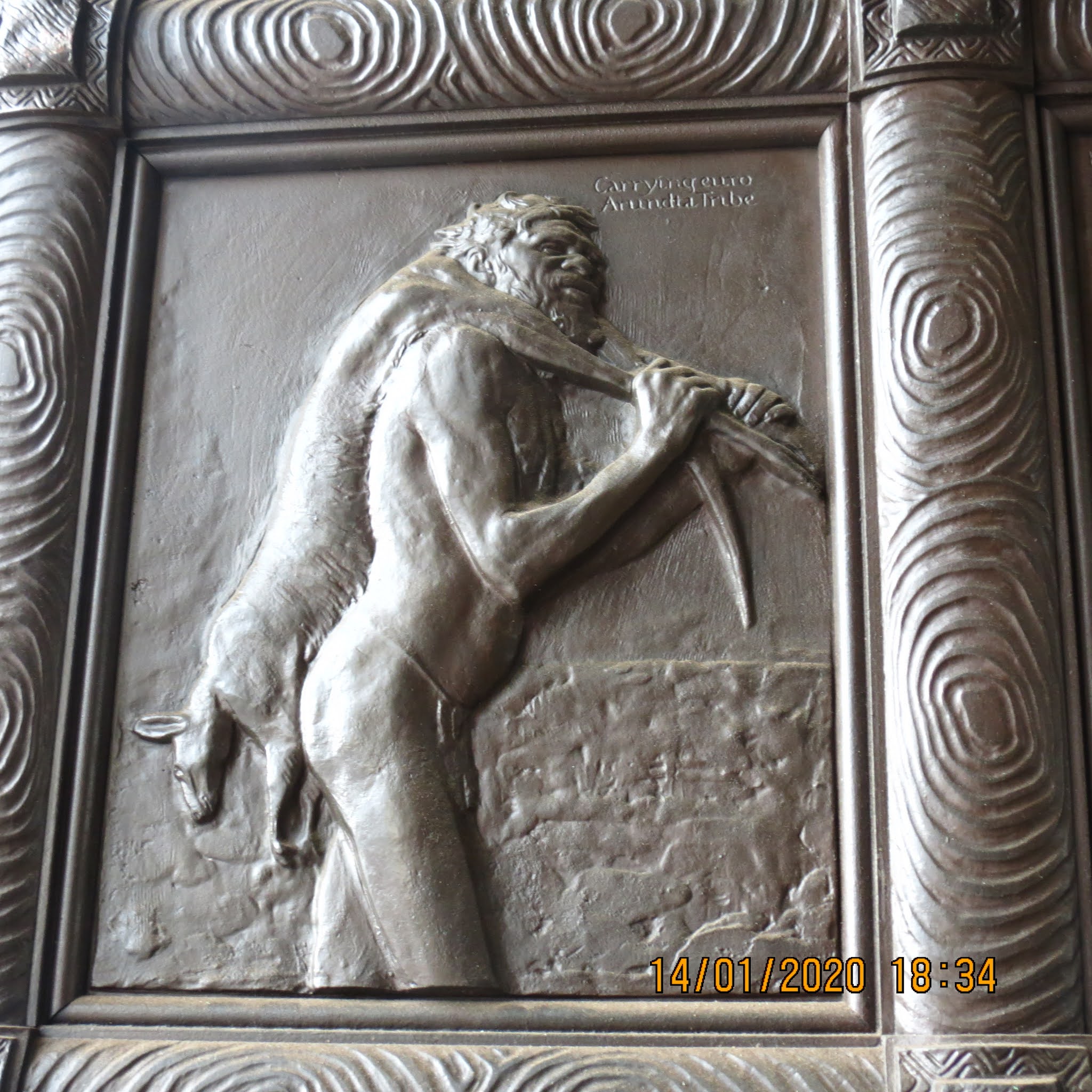
The State Library Of New South Wales - Including The Mitchell Wing


The Mitchell Wing 


The Mitchell Wing of the New South Wales State Library, located on Macquarie Street in Sydney, is a significant part of the library complex and has a rich history. Here is an overview of the history of the Mitchell Wing:

  1. Early History and Foundation: The Mitchell Wing was named after David Scott Mitchell, a prominent collector of rare books and manuscripts. Mitchell, who died in 1907, left his extensive collection to the people of New South Wales under the condition that a suitable building be constructed to house it. This generous bequest formed the foundation of the Mitchell Library, which was established in 1910.

  2. Architectural Design: The Mitchell Wing was designed by the renowned architect Walter Liberty Vernon. Construction began in 1906, three years before David Mitchell's death, and it was completed in 1910. The architectural style of the Mitchell Wing is often described as classical revival, featuring grand columns, ornate detailing, and a prominent dome.

  3. Role as a Research Library: From its inception, the Mitchell Library was intended to be a research library with a focus on rare and valuable materials. It houses an extensive collection of books, manuscripts, maps, and other items of historical and cultural significance, including Mitchell's own collection.

  4. Expansion and Renovations: Over the years, the Mitchell Wing has undergone several expansions and renovations to accommodate the growing collections and modernize its facilities. Notable changes include the addition of the Mitchell Reading Room in the 1940s and the installation of modern research facilities.

  5. Cultural Significance: The Mitchell Library, housed within the Mitchell Wing, is known for its extensive collection of materials related to Australian history and culture. It is a valuable resource for researchers, historians, and the general public interested in the history of New South Wales and Australia as a whole.

  6. Architectural Conservation: The Mitchell Wing's architectural significance led to its conservation and restoration efforts. These efforts have aimed to preserve the historical and aesthetic value of the building while ensuring its continued use as a modern research facility.

  7. Public Access: The Mitchell Wing is open to the public, and visitors can explore its collections and exhibitions. Researchers and scholars from around the world come to the Mitchell Library to access its unique resources.

Today, the Mitchell Wing of the New South Wales State Library continues to play a vital role in preserving and sharing Australia's cultural and historical heritage. It stands as a testament to the vision of David Scott Mitchell and the importance of preserving and making accessible rare and valuable materials for future generations.


_______________________________________________________________________________________________________________________________________________________