Search This Blog

Showing posts with label Phillip Street. Show all posts

Thursday, November 26, 2020

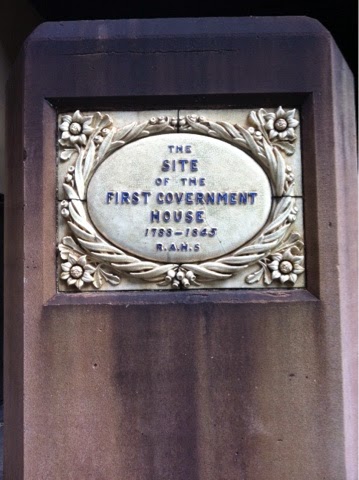
Museum Of Sydney - Phillip Street - Site Of Original Government House


Museum Of Sydney - Phillip Street - Site Of Original Government House


I Remember Back In 2017 The Families  Of The Fire Fleeters  Put The Money Together To Get This Statue Of Captain Arthur Phillip R.N Commissioned And Was Finally Place In The Courtyard On The Corner Of Phillip  And Bligh Street Which Is The Original Site Of The First Government House In Australia. 


I Stopped Back On The Corner Of Bligh Street And Phillip Street, The Site Of The First Government House. These Are The Totem Poles Of The Eora Tribe Which Has Since Died Out In The Sydney Basin Region.


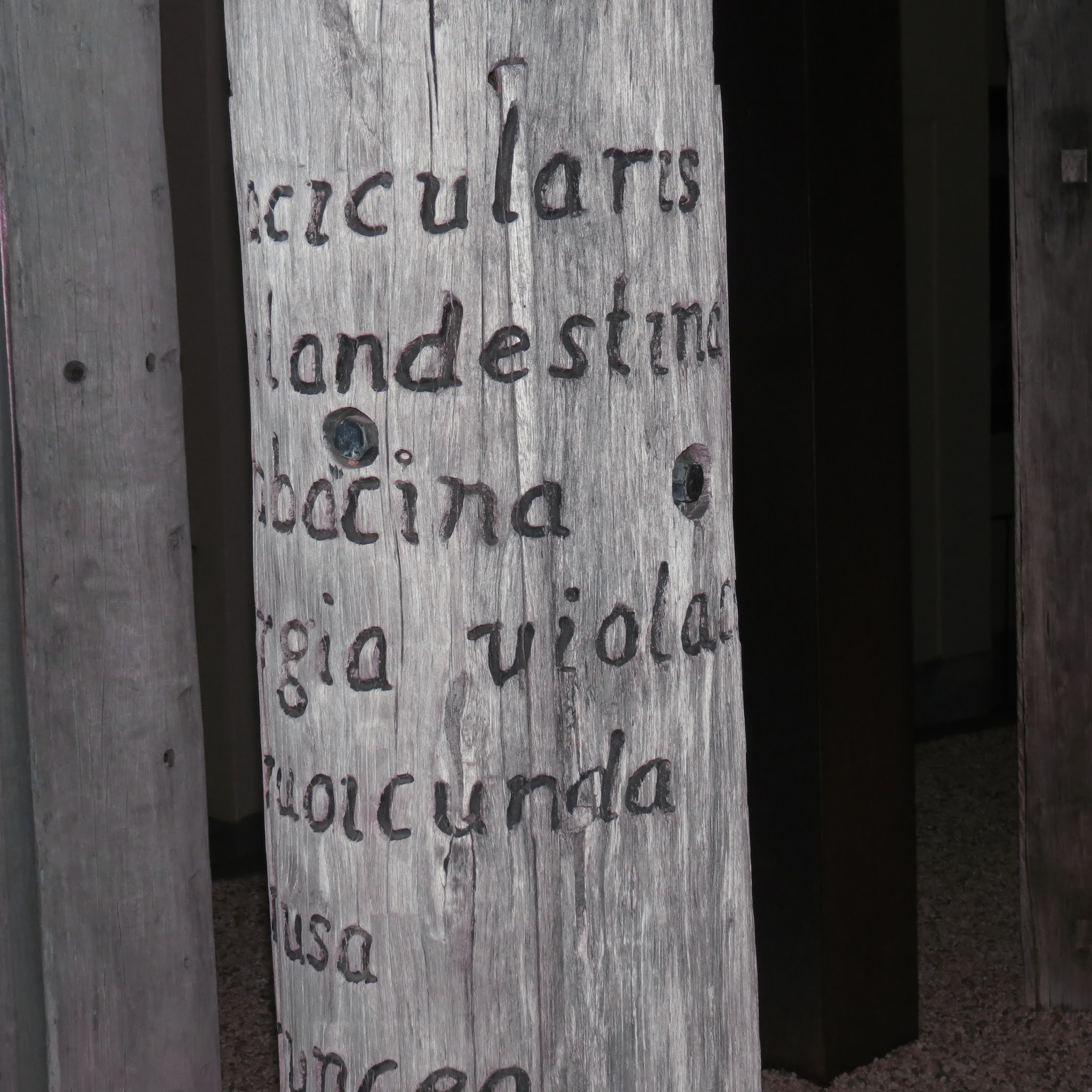


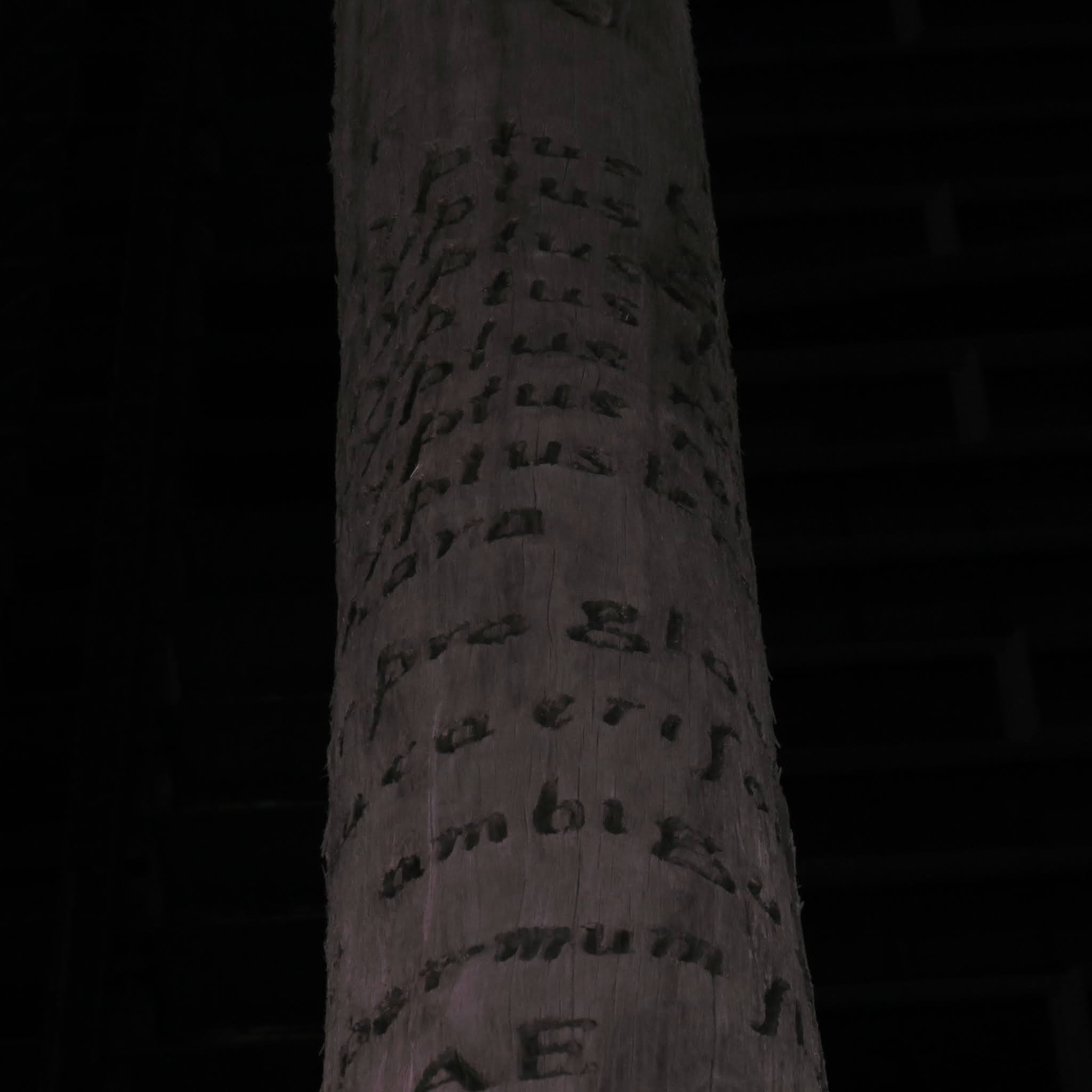


Sydney’s first government house was built in 1789 for Governor Arthur Phillip.

In November 1789, two aboriginal man, Bendalong and Colby, we captured at Manly under Phillips orders and we held at government house.

After they escaped, Binalong maintain cordial ties with Phillip. He often dying to government house with his wife Barangaroo and a number of aboriginal people were buried within the gardens at his best.

In 1995 the Museum of Sydney opened on the site. A forest of pillars made of timber, stone and steel stands adjacent to the museum entrance.

This installation by Janet Lawrence and Fiona Foley, edge of the trees, symbolises the interaction between aboriginal and non-aboriginal people at this important side of early contact


Tuesday, March 3, 2020

Phillip Lane – Off Phillip Street – Sydney – New South Wales


Phillip Lane - Off Phillip Street - Sydney - NSW

Phillip Lane Is The Last Survivor Of Several Laneways That Were Established In The 1840's To Service Macquarie Street House. The White Astor Apartments On The Left Were Built In 1923, & An Early Example Of Fashionable Apartment Living In the City. 
On The Right Is The Rear Of The Chief Secretary's Building, Occupied From 1878. The Laneway's Low Sandstone Archway, Remnant Sandstone Guttering & Cobblestone Paving Echo A Past Kind Of Streetscape  That Has All But Disappeared from the City 


Across Phillip Street Is The Museum of Sydney, Which Is The Location of The Very First Original Government House. 


Thursday, October 29, 2015

Colonial Secretary’s Office – Part 2


The Colonial Secretary's Office 
The Colonial Secretary was a senior official in New South Wales, working with the governor on administration and public affairs. In nineteenth-century Sydney, the office was associated with the government precinct along Macquarie Street. The surviving buildings and plaques in this area help document the changing structure of colonial government.


Thursday, May 28, 2015

Governor Arthur Phillips Garden - Macquarie Place - Near South Western Corner - NSW


Governor Phillip's Garden


Macquarie Place, Near South Western Corner 

David Collins Remarked "Some Ground Having Been Prepared Near His Excellency's House On The Eat Side, The Plants From Rio De Janeiro And The Cape Of Good Hope Were safely Brought To Shore In A Few Days; And We Soon Had The Satisfaction Of Seeing The Grape, The Fig, The Orange, The Pear And The Apple, taking Root And Establishing Themselves In Our New World" 


Surgeon General John White in His Journal Of A Voyage To New South Wales Wrote About The Sick Suffering From Dysentry And Scurvy. 
"His Excellency, Seeing The State These Poor Objects Were In, ordered A Piece Of Ground To Be Inclosed, For The Purpose Of Raising Vegetables For Them. The Seeds That Were Sown Upon This occasion, on first Appearing Above The Ground, Looked Promising And Well, Which Was Not Indeed Wxtraordinary, As They Were Not Sown At A Proper Season Of The Year."

In May 1788 Governor Phillip Gloomily
Commented "From The Great Labour Which Attended The Clearing Of The Ground, It Proved Impracticable To Sow More Than Eight To Ten Acres With Wheat And Barley; And It Was Feared That Even This Crop Would Suffer From The Depredations Of Ants And Field
nice. 


Two Bunches Of Grapes Were Plucked On The 24th January 1791, Three years Later. And 

"It Was Predicted In The Vehemence Of Expectation That Their Juice Will Hereafter Furnish An Indisputable Article Of Luxury At European Tables."

Lieutenant P.G. King on 29th January Noted In Their Journal: - "Some Convicts Digging Up The Ground for A Garden."

Surgeon General John White Travelled On The Transport Charlotte to Botany Bay With The First Fleet, And Remained In New South Wales Until December 1794, After Which He Returned To England.  While In England's Newest Colony, The Peppery Doctor, Besides Collecting Material On The Fauna And Flora Of The Colony, Fought A Duel With His Assistant, Dr William Balmain. White's Book - Journal Of A Voyage To New South Wales, Published In 1790 Carried - Sixty Five Illustrations Of Non Descript Animals, Birds, Lizards, Serpents, Curious Cones Of Trees And Other Natural Productions."

John White Died In Sussex, England in 1832.


Friday, May 22, 2015

Phillip Street Police Station – Corner Phillip St & Albert St – Green Plaque – Historical Marker 93

Same sandstone pile as Green Plaque 94, different door. Racing for a Circular Quay ferry you might miss both. Royal Australian Historical Society Green Plaque 93 marks Phillip Street Police Station B inside the justice complex at the corner of Phillip and Albert Streets — Albert, not Alfred — Circular Quay East.

The precinct started as Water Police facilities: Edmund Blacket’s Water Police Court (opened 1856), a police station beside it (opened 1858; later known as Phillip Street Police Station), and James Barnet’s additional court of 1886. The Water Police occupied the station until new headquarters at Dawes Point in 1913; the Phillip Street buildings stayed in police and court use before adaptation as the Justice and Police Museum (Museums of History NSW).

Plaque 93 commemorates Police Station B specifically — distinct from Green Plaque 94 (Police Court C / the 1886 Barnet court). The surviving precinct is listed on the NSW State Heritage Register as the Justice and Police Museum.

Phillip Street Police Station - Corner Phillip St & Albert St - Sydney - Historical Marker 93


Phillip Street Police Station and Green Plaque 93, at the corner of Phillip and Albert Streets.

Sydney Police Court – Historical Marker Number 94

Sydney Police Court - Corner Of Phillip & Alfred Streets - Sydney 


Among the Royal Australian Historical Society’s Sydney Green Plaques, No. 94 is easy to walk past if you are racing for a ferry — and worth slowing down for. It marks “Police Court C,” the Police Court on Phillip Street that opened on 7 January 1886, on the Circular Quay side of the city between the older Water Police Court and the Water Police Station.

The courthouse was built of Pyrmont freestone to plans from the Colonial Architect’s office (James Barnet held that post) and was meant mainly as a summons and small-debts court, taking pressure off the older building next door. At the opening, Whittingdale Johnson — the first magistrate to sit there — remarked that the new rooms would let magistrates who had “suffered through the foul atmosphere of the old court” regain their health. Ventilation and windows got particular attention. The court closed in 1979. The building survives today as part of the Justice & Police Museum complex managed by Museums of History NSW, on Phillip Street near Circular Quay.

The green plaque belongs to the Bicentennial series (1984–1988) — 101 markers recalling vanished or layered city sites. Do not confuse this Phillip Street Police Court with the earlier Central Police Court / Market House site on George Street (now under the Queen Victoria Building), which has its own green plaques.

Image: RAHS / site marker for Police Court C / Phillip Street Police Court.


First Government House - Corner Of Bridge Street & Phillip Street - South Western Corner - Sydney - New South Wales

 First Government House - Bridge Street And Phillip Street -  South Western Corner - Sydney - NSW


Where The Museum Of Sydneyis Now, Is Where The Frst And Original Government
House Stood....


It's The House That Governor Bligh Was Supposedly Hiding Under the Bed When a The Red coats Of The New South Wales Army Corp Were Going to Put Him
under House Arrest. 


Where The Museum Of Sydneyis Now, Is Where The Frst And Original Government
House Stood....

It's The House That Governor Bligh Was Supposedly Hiding Under the Bed When a The Red coats Of The New South Wales Army Corp Were Going to Put Him
under House Arrest. 


5. First Government 


Bridge Street And Phillip Street South Western Corner.


Sydney's First Government House was built in 1789 for Governor Arthur Phillip. In November 1789, 2 Aboriginal men, Bennelong & Colebee, were captured at Manly under Phillip's orders & were held at Government House. 


After they escaped, Bennelong maintained cordial ties with Phillip. He often dined at Government House with his wife Barangaroo, & a number of Aboriginal people wwre buried within the gardens at his behest. In 1995 The Museum of Sydney opened on the site. A A Forest of pillars made of timber, stone & steel stands adhjacent to the Museum entrance.