Search This Blog
Sunday, October 24, 2021
"Clydebank" Formerly Bligh House - 43 Lower Fort Street - The Rocks - NSW
"Clydebank" - Formerly Known As Bligh House - 43 Lower Fort Street - The Rocks
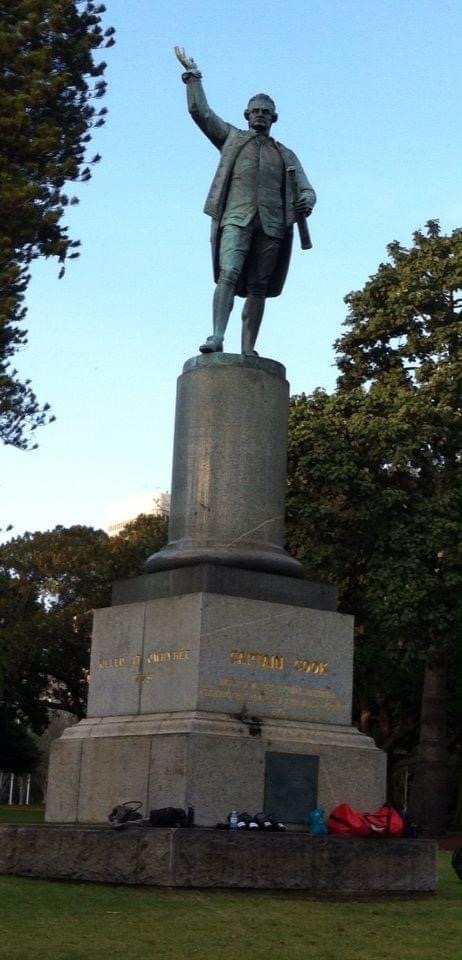
Captain Cook Statue - Hyde Park South - Unveiled 25th February 1879 - Sydney - New South Wales
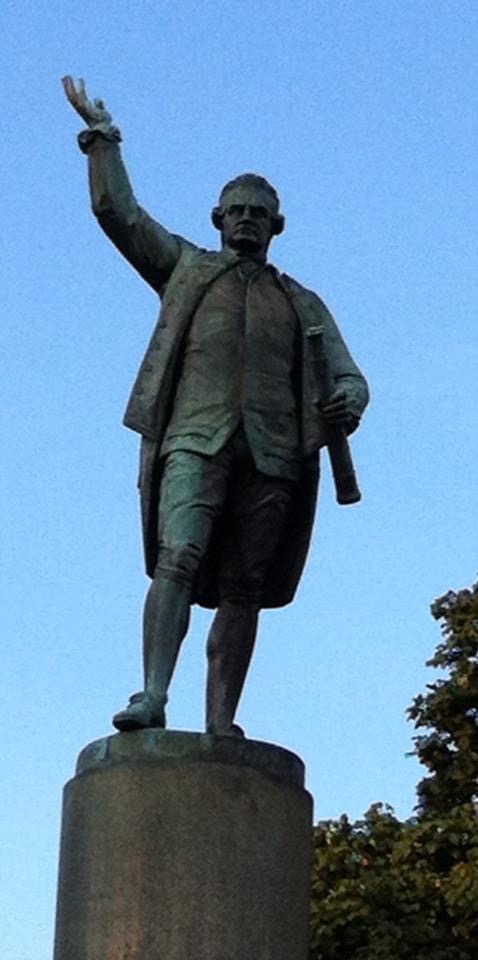
If you cut through Hyde Park South near Park and Elizabeth Streets, the bronze of Captain James Cook is hard to miss — larger than life, telescope in the left hand, right arm raised. English sculptor Thomas Woolner (1825–1892), a founding Pre-Raphaelite who had briefly tried the Victorian goldfields in the 1850s, designed the figure. It stands on a massive Moruya granite pedestal shipped to Sydney in 1878.
Commissioned in 1874 with public subscription and a New South Wales government grant, the statue was cast in England and unveiled on 25 February 1879 by Governor Sir Hercules Robinson. The day was a public holiday; contemporary reports described a huge procession (about 12,000) and a crowd estimated around 60,000. Pedestal inscriptions record Cook’s birth at Marton, Yorkshire (1728), the 1770 voyage of exploration, and his death at Hawai‘i (1779), together with the 1879 dedication.
It remains a City of Sydney public sculpture in the park’s southern formal landscape. Photographs here show the statue, pedestal and Hyde Park South setting.
The Captain Cook Statue - Hyde Park - Sydney - NSW
The Captain Cook Statue Is In The South Of Hyde Park
The Sculpture Stands On A Moruya Granite Pedestool.
This Work Was Commissioned On The 26th September 1874 & Was unveiled To The Public On The 25th February 1879
It Was Made By Thomas Woolner (1825 - 1892). He Was Born In Hadleigh, Suffolk, & Studied At The Royal Academy. He Travelled To Australia in 1852, & Went On To Have Limited Success On The Voctorian Goldfields.
The Day Of The Sculpture's Unveilling Was Declared A Public Holiday In Honour Of Cook & The Monument. It Was Estimated That 12,000 Joined The Procession To Hyde Park & 60,000 People Attended.
Saturday, October 9, 2021
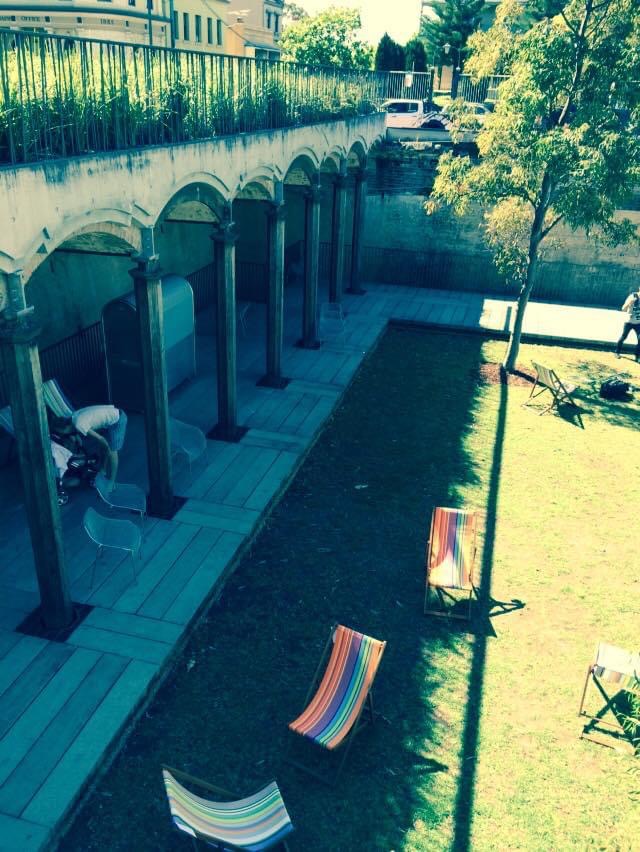
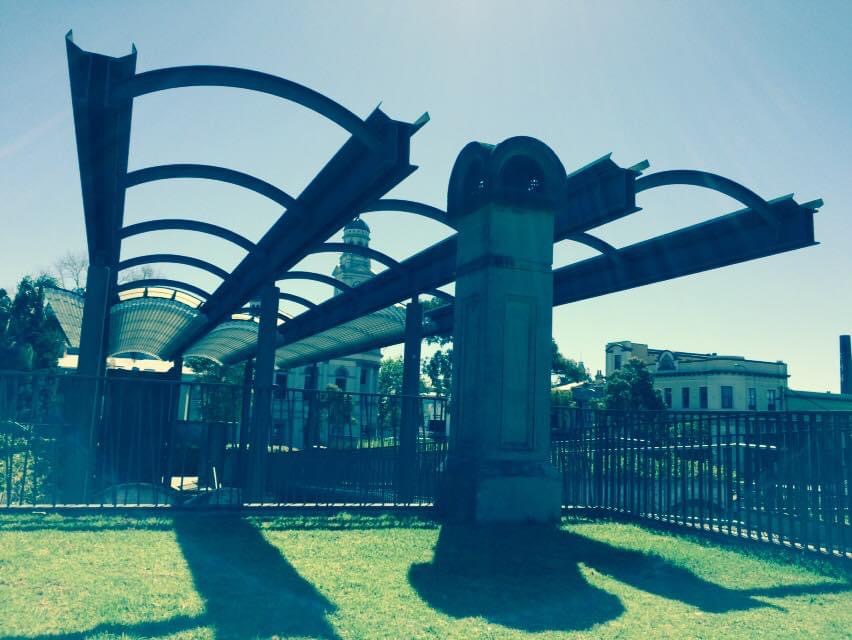
Paddington Reservoir - Paddington - Sydney Water Suppply - New South Wales
Paddington Reservoir - Oxford Street - Paddington - New South Wales.
The Paddington Reservoir, also known as the Paddington Reservoir Gardens, is a heritage-listed site located in Paddington, Sydney, New South Wales, Australia. Here's some information about the Paddington Reservoir:
1. History: The Paddington Reservoir was originally constructed in the 1860s as an underground water reservoir to supply water to the growing population of Sydney. It was part of the Sydney's water supply infrastructure, designed by engineer Edward Bell.
2. Architectural Design: The reservoir was designed in a Romanesque Revival architectural style, which was popular during the Victorian era. The structure features a blend of brickwork and iron columns, with arches and vaulted ceilings.
3. Function: The reservoir was in operation until 1899 when it was decommissioned. It then went through several stages of use, including storage, workshops, and a service station. In the 20th century, the site fell into disrepair and was eventually abandoned.
4. Transformation into Gardens: In the 1990s, a redevelopment project aimed at transforming the reservoir into a public space was initiated. The site was restored and converted into the Paddington Reservoir Gardens, opening to the public in 2008.
5. Features: The Paddington Reservoir Gardens blend the historic elements of the underground reservoir with modern design. The site incorporates sunken gardens, walkways, seating areas, and reflective pools, creating a serene and contemplative atmosphere.
6. Heritage Significance: The Paddington Reservoir is listed on the New South Wales State Heritage Register and the Australian National Heritage List. It is recognized for its historical and architectural importance, as well as its contribution to the local community and the city's heritage.
7. Events and Activities: The Paddington Reservoir Gardens are a popular venue for various cultural events, art installations, and community activities. It also serves as a tranquil oasis for locals and visitors seeking respite from the bustling city.
The Paddington Reservoir stands as a testament to the historical water infrastructure of Sydney and has been successfully repurposed as a unique urban park. Its blend of historic and contemporary design elements, along with its peaceful ambiance, makes it a notable attraction in Paddington.
Old Government House – Parramatta – New South Wales
Old Government House - Parramatta - New South Wales
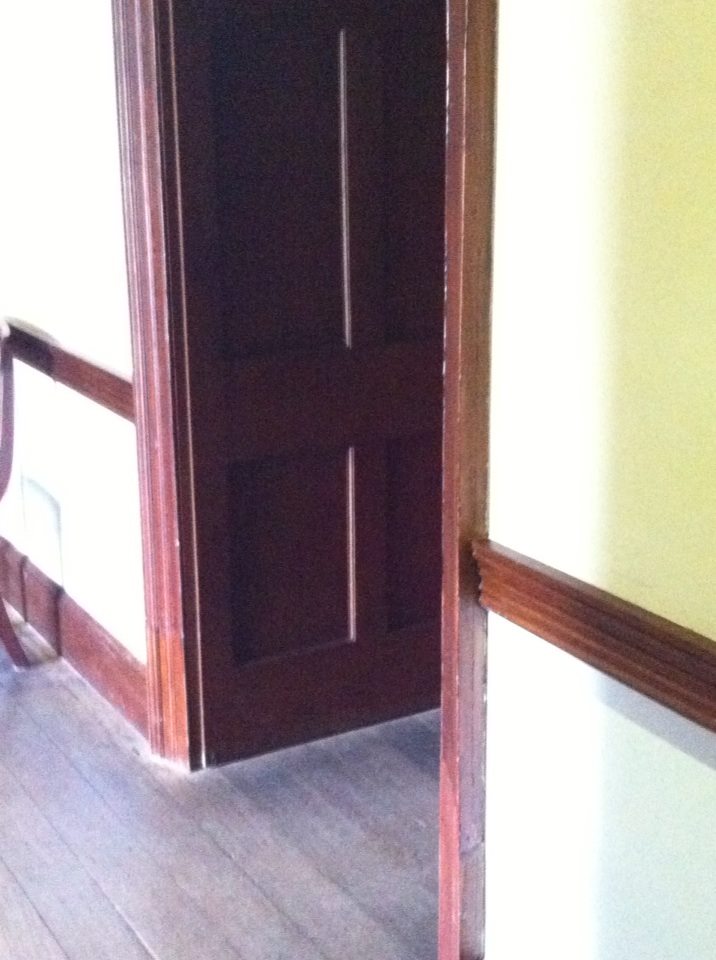
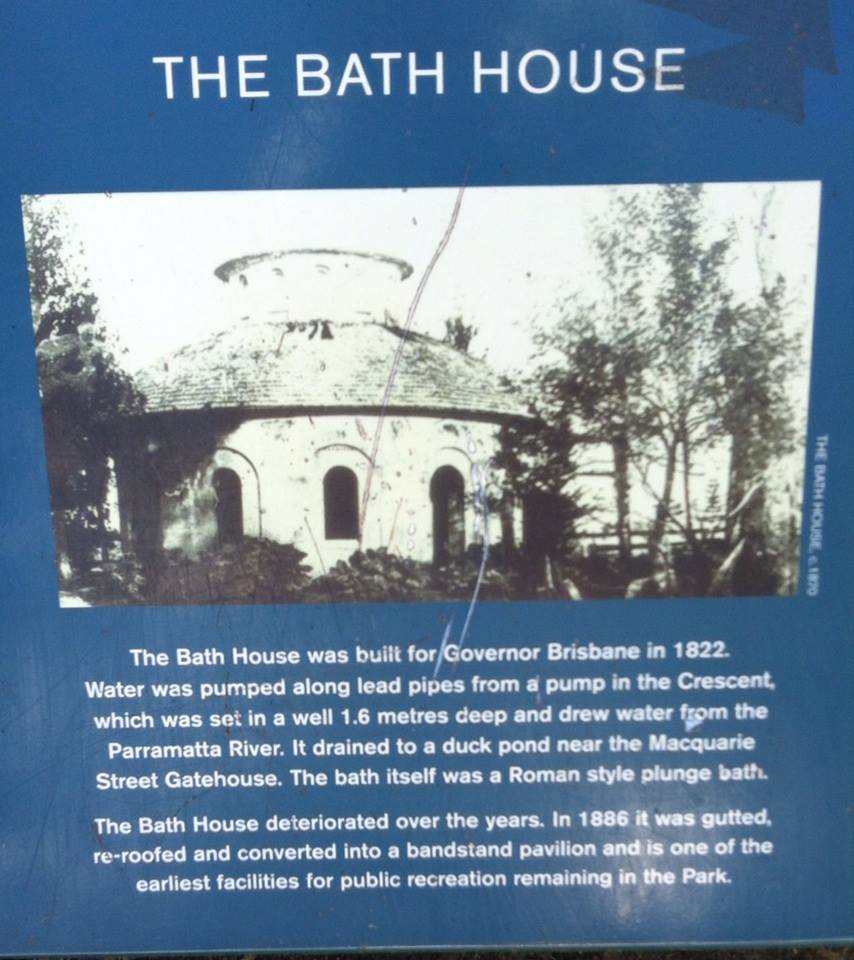
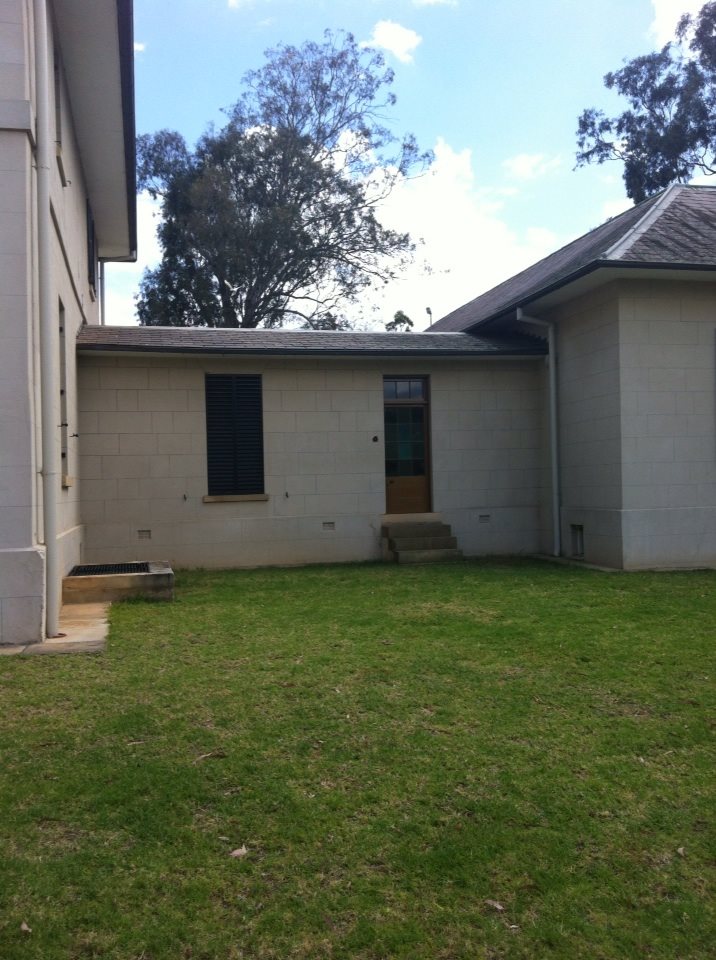
Before Sydney’s Domain got its Gothic Government House, the governors’ “country” seat was out at Parramatta — on Burramatta Dharug Country, inside what is now Parramatta Park. Governor Phillip had a timber cottage here about 1790 beside the government farm at Rose Hill. Governor Hunter replaced a decayed earlier house with a brick Georgian building in 1799; those front rooms still sit inside today’s house. Under Lachlan Macquarie the residence was greatly enlarged (works associated with Lieutenant John Watts from about 1815, central portico attributed to Francis Greenway), producing the Palladian form recognised as the oldest surviving public building on the Australian mainland.
Ten early governors used Parramatta as primary or secondary residence before the Domain house was occupied in 1845. The house later passed through park trust and institutional uses; a 1967 Act vested it in the National Trust of Australia (NSW). Restored as a house museum, it was opened by Queen Elizabeth II in 1970. Old Government House and Domains sit on the Australian Convict Sites UNESCO World Heritage list (2010) and on National and NSW State Heritage registers.
Do not compress the chronology to “1817–1819 only” — and keep this house clearly distinct from Government House in Sydney’s Domain.