Search This Blog

Wednesday, July 28, 2021

Sydney Garden Palace – Macquarie Street – Sydney – Part 7

Part 7 of the Garden Palace scrapbook — same vanished giant, more plates. Barnet’s exhibition hall rose in the Inner Domain for the Sydney International Exhibition (17 September 1879 – 20 April 1880), dome on the skyline between today’s State Library precinct and the Conservatorium. John Young drove the build from early 1879 so the doors could open that September; more than a million visitors walked through before the show closed.

In the early hours of 22 September 1882 fire took the timber palace in about forty minutes — records, art and museum collections with it. Open verdict; arson gossip never proved. Almost nothing stood above ground afterward; a garden and fountain now hint at the old dome footprint on the Botanic Gardens edge. This instalment is another tray of views from the three-year wonder — construction, crowds, aftermath — not a second full essay.

For the longer chronology see Sydney Garden Palace in Pictures. Keep these nineteen images; caption by theme (nave, dome, Domain edge, ruin) rather than inventing photographers without credits.

Garden Palace, Sydney International Exhibition Building
Garden Palace, Sydney International Exhibition Building — NLA / Flickr Commons (no known copyright restrictions; file date metadata varies — treat as Exhibition-era view).


The Garden Palace was a grand exhibition building on Macquarie Street, erected for the 1879 Sydney International Exhibition. Designed by colonial architect James Barnet, it was largely destroyed by fire in 1882, and its former site later became part of the Royal Botanic Gardens.


Sydney Garden Palace - Macquarie Street - Sydney - New South Wales - Part 7 


Wednesday, July 21, 2021

Sydney Cove – 1788

Stand at Circular Quay and you’re looking at Warrane — the Gadigal name for this small southern embayment of Port Jackson. Governor Arthur Phillip brought the First Fleet into Botany Bay as ordered, decided the anchorage and fresh water weren’t good enough, and chose this cove instead: deep water close inshore and a reliable freshwater creek running into its head. That creek became the Tank Stream — sandstone tanks cut beside it in drought years gave it the name — and it was the reason the camp sat here at all.
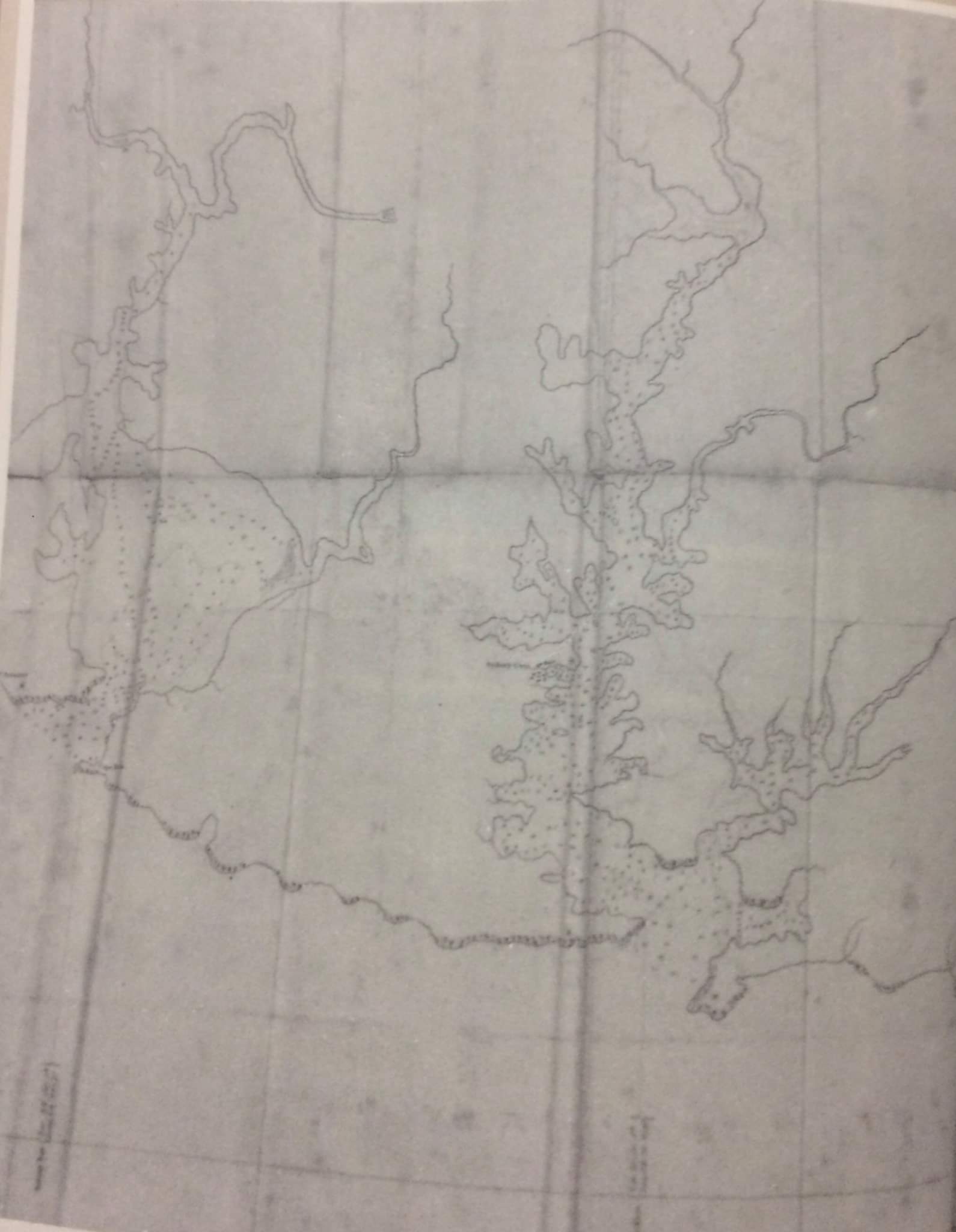
On 26 January 1788 the fleet shifted from Botany Bay and the Union Flag went up beside the stream. The cove was named for Thomas Townshend, Lord Sydney, the British Home Secretary. Early settlement occupied both foreshores: government and convict camps on the east and west, Tank Stream in the middle. By the later nineteenth century the stream was covered as a drain, the foreshore was pushed out by reclamation, and the head of the cove became Circular Quay. Today the Opera House sits on Bennelong Point at the eastern tip; The Rocks and Barangaroo frame the western shore.


Sydney Cove - 1788


SYDNEY  COVE 1788


Sketch of Sydney Cove, July 1788

Transcription:

SKETCH OF SYDNEY COVE,
PORT JACKSON,
IN THE COUNTY OF CUMBERLAND
NEW SOUTH WALES
JULY 1788

[On the map:] SYDNEY COVE

REFERENCES
1. House Building for The Governo[r]
2. A Farm - 9 Acres Corn
3. Lieutenant Governor's House
4. The Principal Street
5. Ground Intended For Gov[ernmen]t H[ouse]
6. Ground Intended For Building A Fort
7. Ground Intended For A Church
8. Ground Intended For A Storehous[e]
9. The Hospital
10. Observatory Long 151° 19' 30 E Lat 33° 52' 30 S
NB. Temporary Buildings That Are Built Are In Black.

Here is a sketch I Did of Sydney cove in July 1788

Transcription:SYDNEY COVE
JULY
1788
[Detail; numbered plots 4–9 as in the references above.]