St Stephen's Anglican Cemetery - Camperdown - Newtown
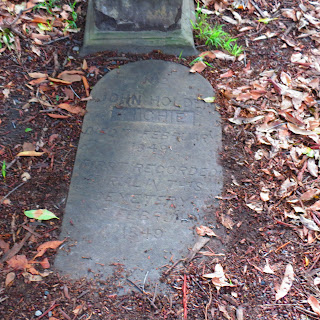
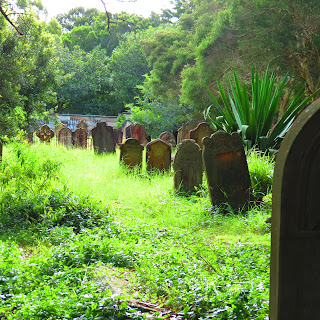
Walk into Camperdown Cemetery off Church Street, Newtown, and the city noise drops a notch. This is the ground the Sydney Church of England Cemetery Company opened in 1848 and consecrated in 1849, when the older Devonshire Street (Sandhills) cemetery — now under Central Station — was bursting. For about twenty years it was Sydney’s principal Church of England burying place, many thousands of interments, until Rookwood took the metropolitan role from 1867–68. Of Sydney’s three earliest major burial grounds, this is the only one that still reads as a cemetery landscape.
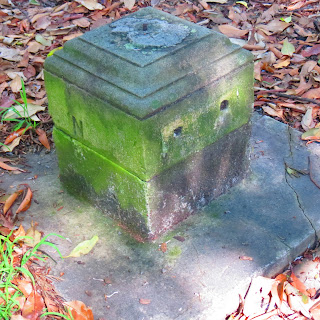
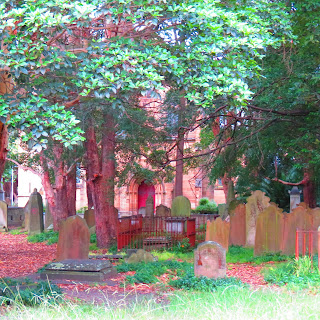
Inside the walls stands St Stephen’s — Edmund Blacket’s Gothic Revival church, built after Newtown outgrew his earlier 1844 chapel. An Act of Parliament let them put a new church in the cemetery; Governor Belmore laid the foundation on 11 November 1871, and the first service was Easter Sunday, 5 April 1874. After the Second World War the Camperdown Cemetery Act (1948) resumed most of the acreage as Camperdown Memorial Rest Park; a sandstone wall holds the historic core around the church. The two big gateposts on the Dunbar Track are from Devonshire Street Cemetery, re-erected here after that ground was cleared for Central — relics of the Sandhills, not original Camperdown fabric.