Search This Blog

Wednesday, July 21, 2021

Oxford Square – Cnr Riley Street & Oxford Street – Darlinghurst – New South Wales


Oxford Square  - Corner Riley & Oxford Street - Darlinghurst  - New South Wales 

Oxford Square is the named junction of Oxford, Riley and Burton Streets in Darlinghurst — on the old South Head Road / Oxford Street high street that climbed from colonial track to one of Sydney’s principal shopping strips by the late nineteenth century. The southwest Oxford–Riley corner was long dominated by Buckingham’s department store (drapery origins with William Buckingham; store presence on this corner from the 1890s; major emporium into the twentieth century). After the business was sold in 1967, the partly emptied building went up in the spectacular Anzac Day fire of 25 April 1968; the cleared site later became a shopping complex still known as Oxford Square / Oxford Village.

Opposite and around the junction, the Oxford Square Group of Victorian and Edwardian buildings — former Family Hotel, former London Bank / ANZ chambers at 52–54 Oxford Street, G. A. Zink & Sons at 56 Oxford Street, SILF Company building — remains a registered heritage streetscape. Those Neo-Classical corner compositions still frame the views into Riley, Burton and Oxford. Nearby Burdekin Hotel (Liverpool & Oxford) marks the western entry to the strip but is a separate landmark.

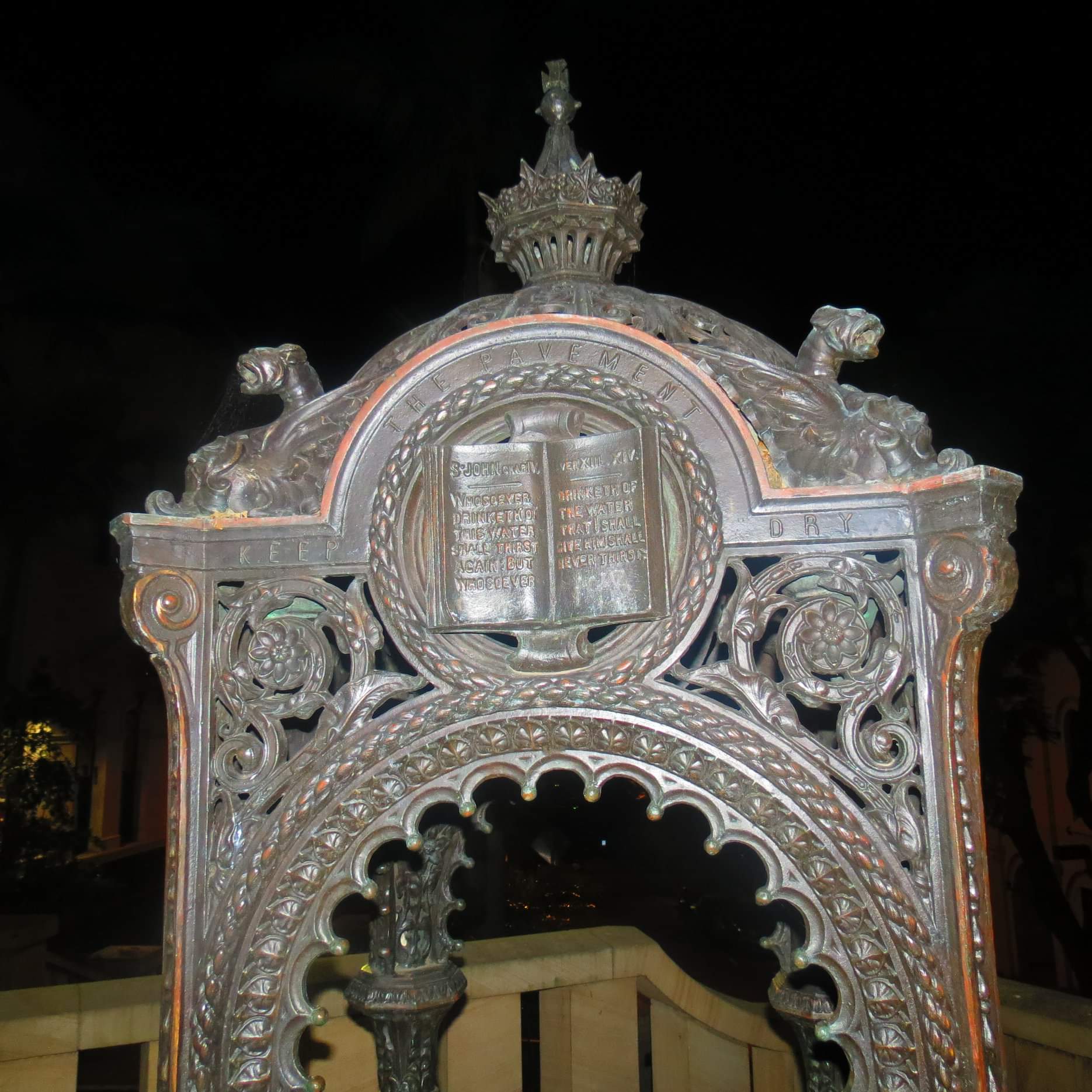
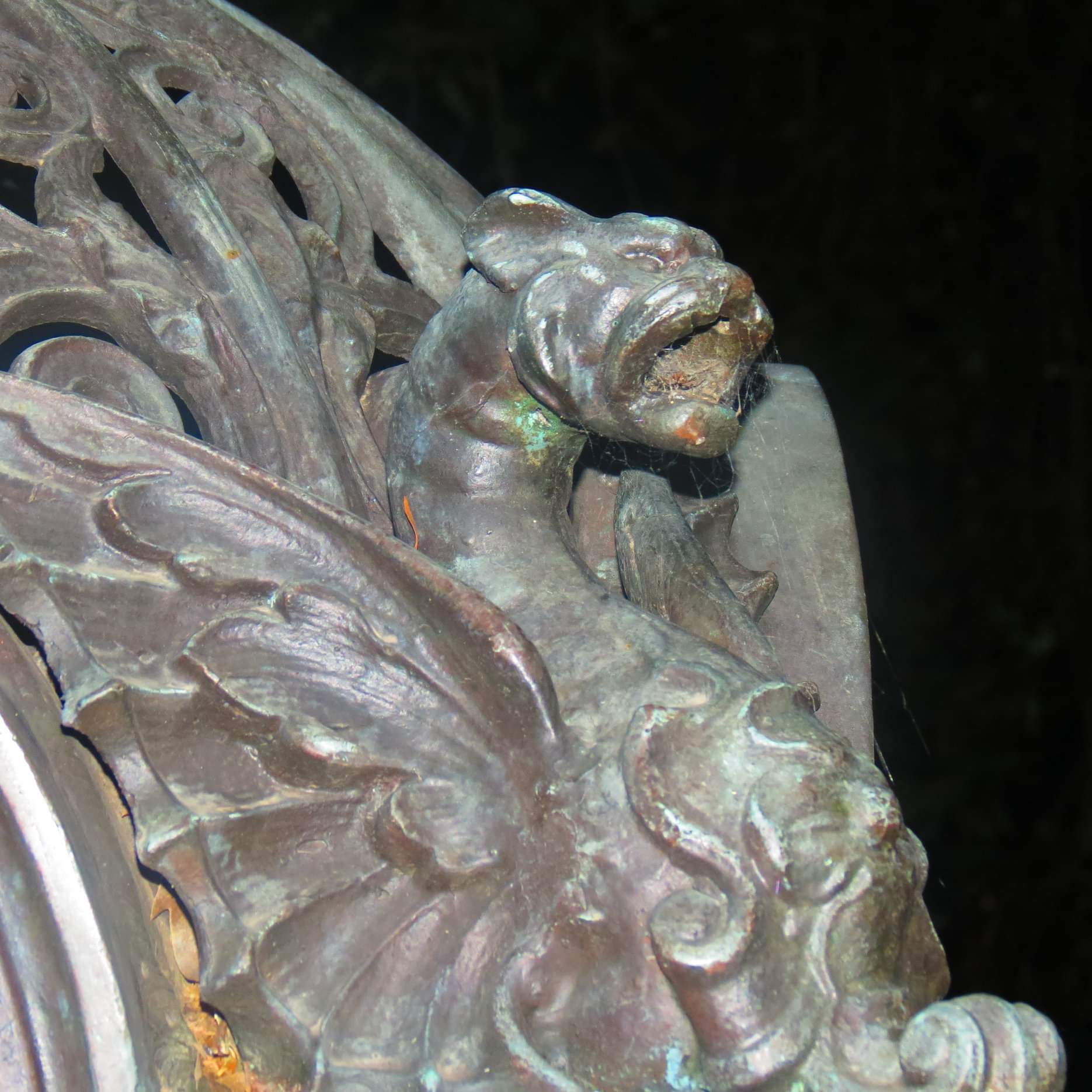
Photographs here survey surviving façades and the retail setting of the former Buckingham’s corner. Don’t confuse Oxford Square with Taylor Square further east.





Monday, July 19, 2021

Rookwood Cemetery – Lidcombe – New South Wales


Rookwood Cemetery - Lidcombe NSW


Rookwood Cemetery, located in Lidcombe, New South Wales, is one of the largest and oldest cemeteries in Australia. Here's some information about Rookwood Cemetery:

1. History: Rookwood Cemetery was established in 1867 to address the shortage of burial space in Sydney. It was initially known as the Necropolis, meaning "city of the dead." The land was chosen for its size and distance from urban areas.

2. Size and Layout: Rookwood Cemetery covers an expansive area of approximately 314 hectares (777 acres). It is divided into denominational sections, reflecting the diverse religious and cultural backgrounds of the people buried there. These sections include Catholic, Anglican, Jewish, Muslim, Orthodox, and various other denominations.

3. Burial Ground: Rookwood Cemetery is the final resting place for hundreds of thousands of individuals, including notable Australians and people from various walks of life. The cemetery has both monumental and lawn grave sections, as well as areas for cremation memorials.

4. Architectural Features: Rookwood Cemetery is known for its impressive architecture and funerary monuments. It features a wide range of tombstones, mausoleums, crypts, and memorials, showcasing various architectural styles such as Victorian, Gothic, Art Deco, and contemporary designs.

5. Cultural and Heritage Significance: Rookwood Cemetery holds cultural and historical significance due to its diverse range of burial practices and the stories of the people buried there. It reflects the multicultural nature of Australian society and provides insights into the social, religious, and cultural history of the region.

6. Facilities and Services: The cemetery offers a range of services, including burial plots, cremation facilities, memorial gardens, and chapel services. It also provides visitor amenities such as parking, maps, and guided tours.

7. Arboretum and Wildlife: Rookwood Cemetery is home to an arboretum, which features a collection of trees and plantings, creating a peaceful and serene environment. The cemetery also supports a variety of wildlife, including birds and native animals.

Rookwood Cemetery continues to serve as an important place for commemoration, remembrance, and reflection. It holds a significant place in Australian history and provides a tranquil space for visitors to pay their respects to loved ones and explore the rich cultural heritage preserved within its grounds.