Search This Blog

Sunday, May 29, 2022

Sydney Garden Palace In Pictures

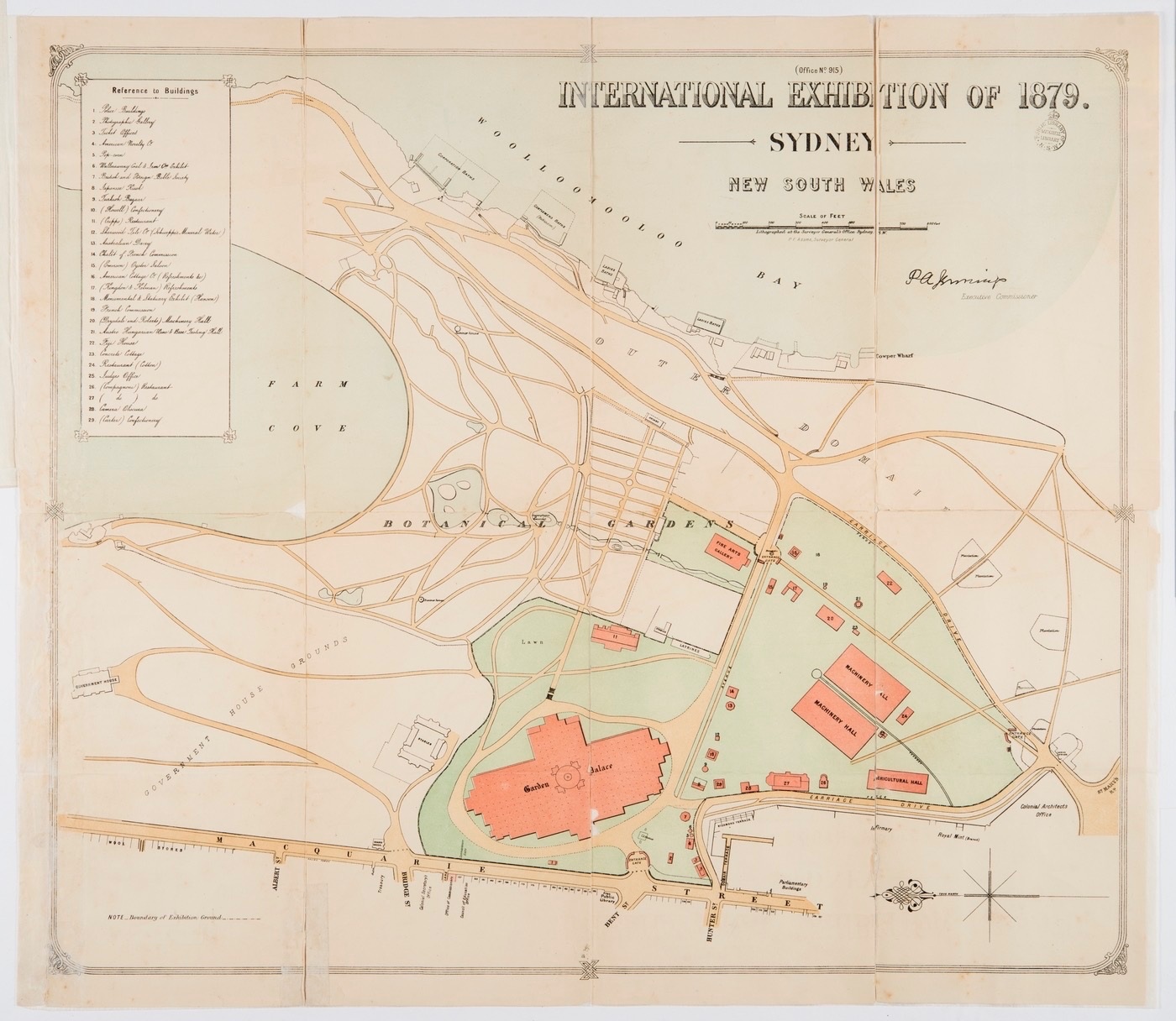
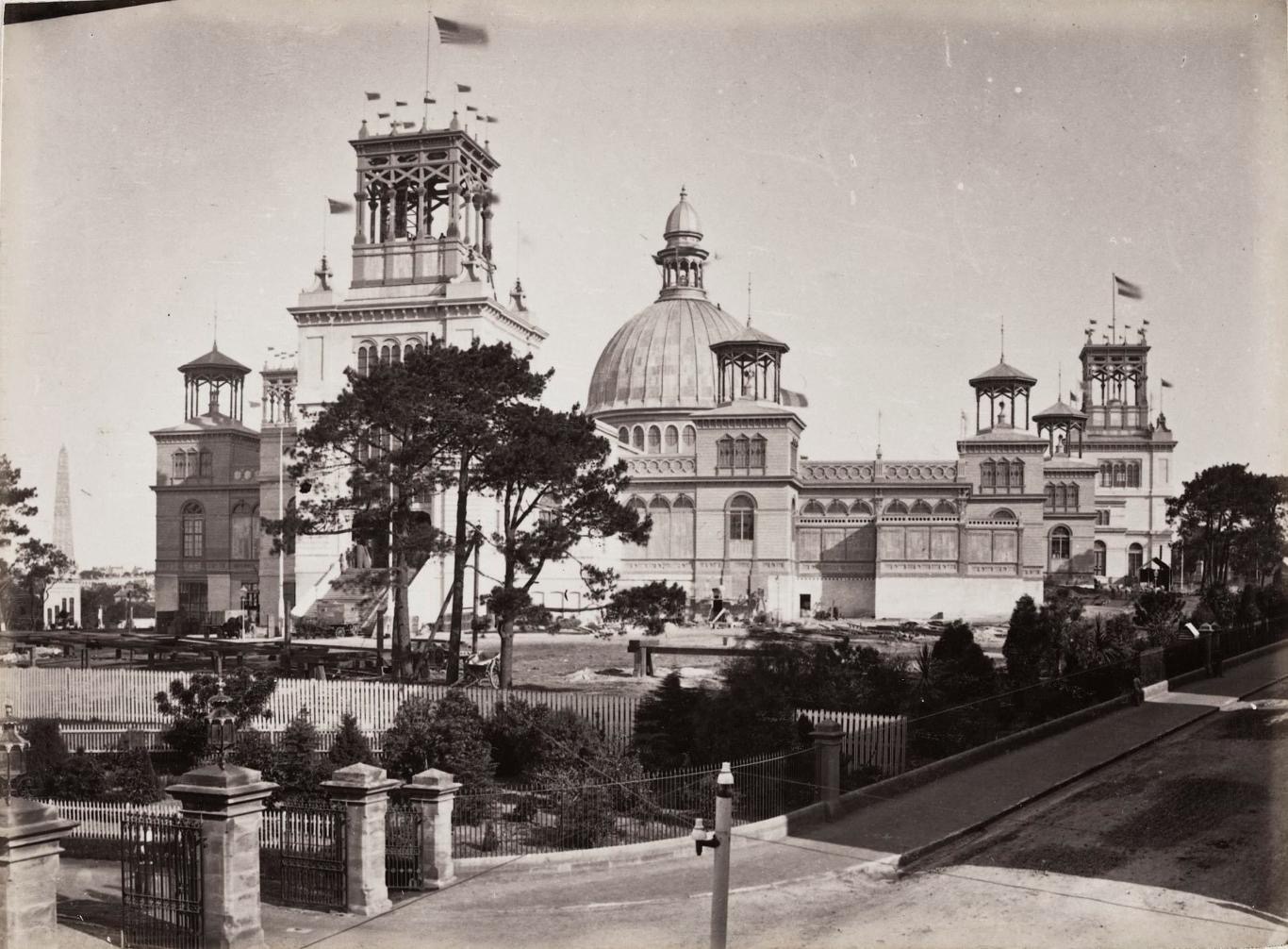
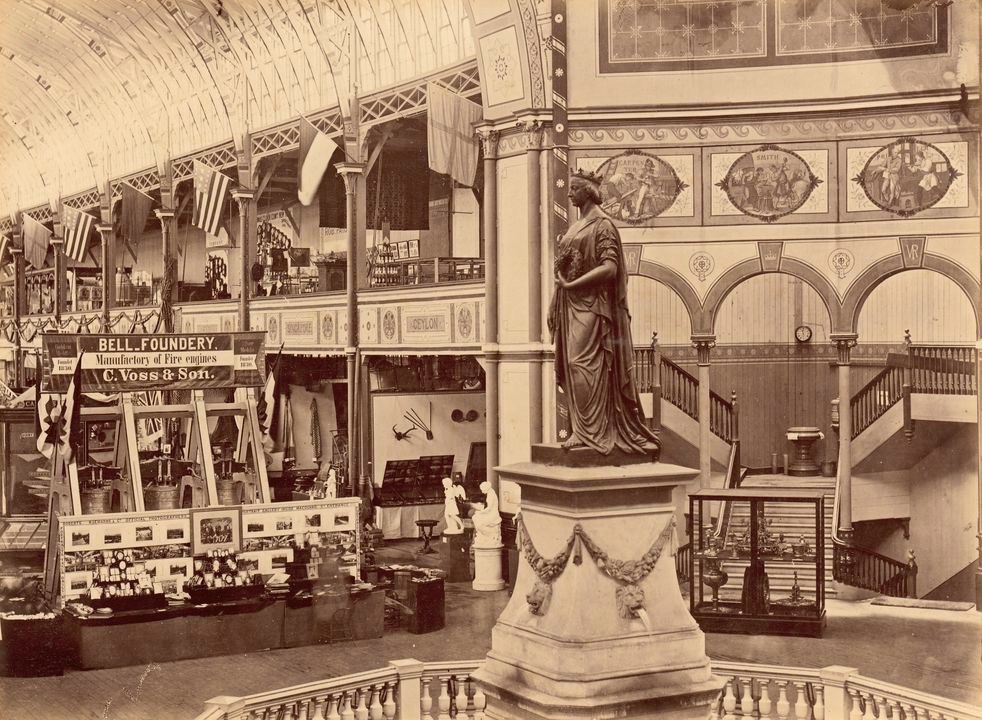
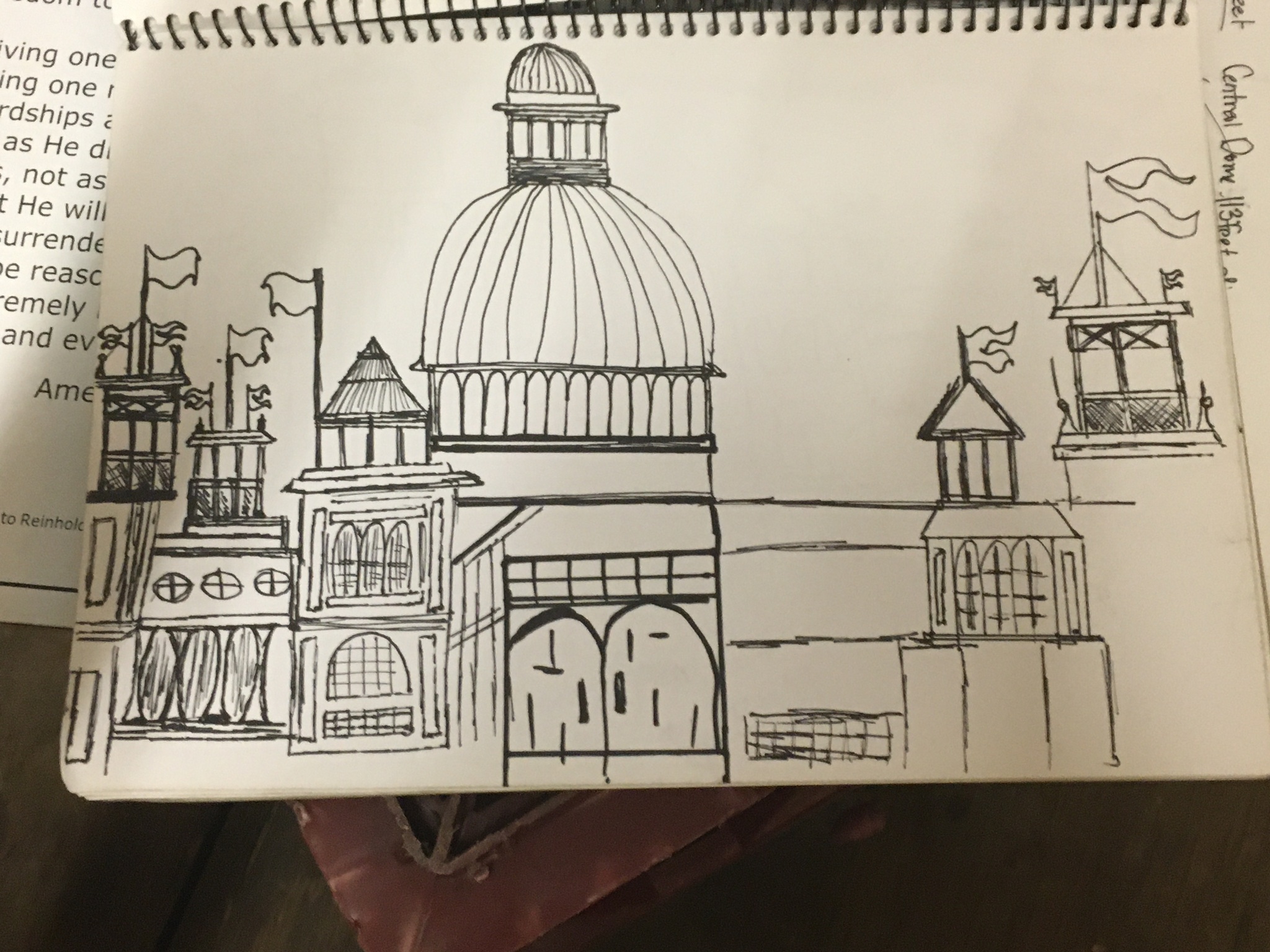
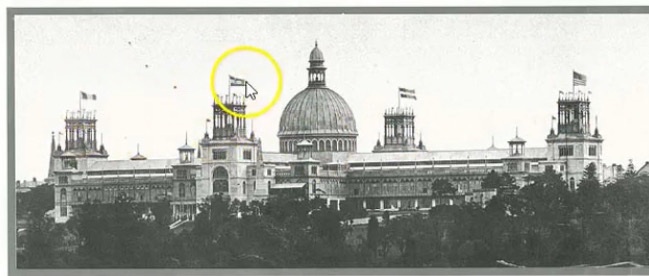
If you’ve walked the southwestern edge of the Botanic Garden and wondered why the lawn feels oddly ceremonial, you’re standing near where Sydney briefly had a Crystal Palace of its own. The Garden Palace was the vast exhibition hall Colonial Architect James Barnet designed in the Inner Domain for the Sydney International Exhibition of 1879. Contractor John Young (with Hudson Brothers) drove construction from January 1879 so the cruciform timber, brick and iron palace could open that September. Its great dome dominated the skyline between today’s State Library precinct and the Conservatorium; more than a million visitors came between 17 September 1879 and 20 April 1880.

After the Exhibition closed, the Palace kept busy with events, offices and collections. In the early hours of 22 September 1882 fire completely destroyed the building in about forty minutes. Irreplaceable official records, art works and museum collections went with it. An inquest returned an open verdict; arson was widely suspected but never proved.

Almost nothing of the structure survived above ground. A later garden and fountain mark the former dome site. The photographs here preserve views of a building that reshaped the Domain for only three years — a pictorial memorial, not a standing hall.


Thursday, May 12, 2022

Willowgrove – Parramatta – NSW

Willowgrove - Parramatta - NSW

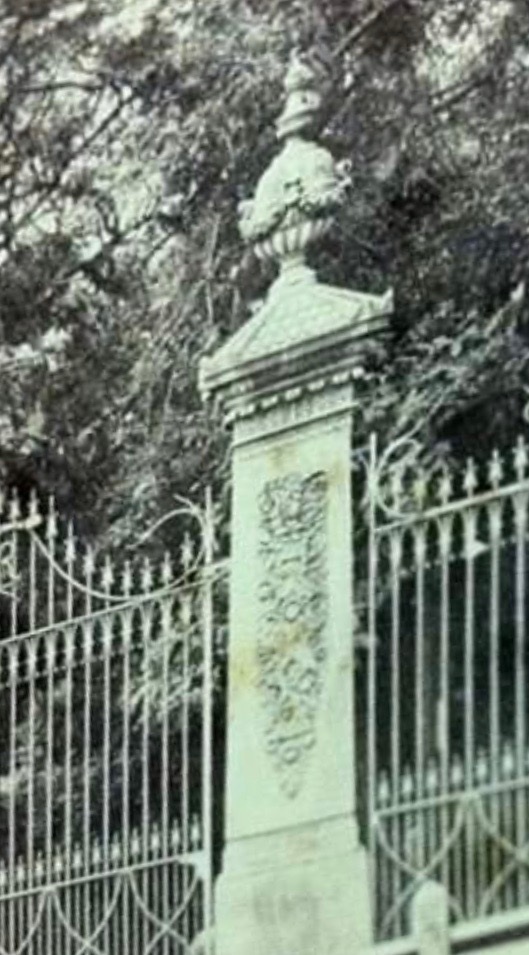
Willow Grove (often styled Willowgrove) was a Victorian Italianate villa at 34 Phillip Street, Parramatta — a familiar piece of the civic riverfront streetscape for generations, set back behind that cast-iron fence and stone gate posts that locals could pick at a glance. Built as a private house on the Parramatta River foreshore, it later sat squarely in the path of the Powerhouse Museum Parramatta project.

In 2021 the villa was dismantled to clear the site. The former NSW Government had promised relocation and reconstruction elsewhere; sandstone, bricks and architectural elements were catalogued and stored. Heritage advocates, including the National Trust (NSW), argued that dismantling was effectively demolition and that an “authentic” rebuild was not conservation in any meaningful sense.

In 2023 the Minns Government announced it would not proceed with a costly rebuild, citing heritage advice that a replica would be “fake heritage.” Attention shifted to interpreting the Powerhouse site’s layered history (including Willow Grove), advice on reuse of salvaged materials, and other Parramatta priorities such as the Roxy Theatre.

Further reading: Willowgrove Biggest Bungle

Bathurst - NSW


Bathurst - NSW 


Bathurst is a regional city located in the Central Tablelands of New South Wales, Australia. It has a rich and diverse history that dates back to the early days of European settlement. Here's an overview of the history of Bathurst:


1. Indigenous History: Prior to European arrival, the Bathurst region was inhabited by the Wiradjuri Aboriginal people. They had a deep connection to the land and utilized the area's natural resources for thousands of years.


2. European Exploration: In 1813, surveyor George William Evans led an expedition into the region, exploring the area around Bathurst. He reported back to Governor Lachlan Macquarie about the fertile plains and abundance of water, which prompted further exploration and settlement.


3. Early Settlement: In 1815, Governor Macquarie approved the establishment of a settlement at Bathurst, making it one of the earliest inland European settlements in Australia. The town was initially known as Bathurst Plains and was primarily intended as a center for agriculture and farming.


4. Gold Rush Era: In 1851, gold was discovered in nearby areas, including the iconic Ophir Goldfields near Bathurst. The discovery sparked a gold rush, leading to a significant influx of people seeking their fortune. Bathurst became a vibrant hub for gold mining activities and saw rapid growth and development during this time.


5. Infrastructure Development: As Bathurst expanded, various infrastructure projects were undertaken. In 1837, the first courthouse was built, and in 1847, the town's first hospital was established. Bathurst also became an important transportation hub, with the construction of roads, bridges, and the arrival of the railway in 1876.


6. Education and Culture: Bathurst has a strong educational heritage. In 1874, Charles Sturt University (formerly known as Mitchell College of Advanced Education) was established, making it one of the oldest tertiary institutions in regional Australia. Bathurst is also known for its cultural institutions, including the Bathurst Regional Art Gallery and the annual Bathurst 1000 car race at Mount Panorama Circuit.


7. Contemporary Bathurst: Today, Bathurst is a thriving regional city with a diverse economy. It serves as a major center for education, healthcare, agriculture, and manufacturing in the region. Bathurst maintains its historic charm, with many heritage-listed buildings and sites preserved and celebrated.


Bathurst's history is interwoven with the stories of early explorers, gold prospectors, settlers, and the indigenous Wiradjuri people. The city's rich past is evident in its architecture, cultural institutions, and ongoing efforts to preserve its heritage.


Proclamation Day 2022


Bathurst In Autumn 2022


Wednesday, April 13, 2022

Hero of Waterloo – The Rocks – Sydney – New South Wales


The Hero Of Waterloo - The Rocks - Sydney - New South Wales  


The rough cut  sandstone walls and heavy timber beams of the interior of The Hero Of Waterloo evoke an atmosphere of the rough mariners life. 


This Hotel was built by George Pato, a Stonemason in 1843. 


The Hero Of Waterloo is the source of many local stories of concealed trapdoors, saillors and rum smuggling. 


  Standing for what must be getting onto over 180 years, the Waterloo serves as a guide to our dark colonial past. Be it the hand-chiselled sandstone walls or the smuggler's tunnel leading to the harbour, which is a Historic Australia Landmark as classified by the Heritage Council and The National Trust. It's not just a living museum but a wonderful place for a drink. It's also as haunted as a pub gets


T


Lord Nelson Hotel – The Rocks – Sydney – New South Wales


The Lord Nelson Hotel - The Rocks - New South Wales 


Built in 1836 by former plasterer William Wells as his home. The Lord Nelson obtained its liquor License in 1841, one year before the town of Sydney was proclaimed a city. This makes it one of the oldest pubs in Australia. 


The Lord Nelson Hotel, located in The Rocks area of Sydney, Australia, is a historic pub with a rich history that dates back to the early 19th century. It holds the distinction of being one of the oldest continuously operating hotels in the country. Here's an overview of its history:

Founding and Early Years:

  • The Lord Nelson Hotel was established in 1841, during a time when The Rocks was a bustling area of maritime and colonial activity.
  • The pub was originally named the "Victory," after the famous ship HMS Victory.

Architectural Significance:

  • The hotel's building is characterized by its colonial-era architecture, featuring sandstone construction, timber beams, and a distinctive facade.
  • It maintains its historic charm, making it a popular attraction for locals and visitors interested in Australia's history.

Historical Connection to the Navy:

  • The pub's name, "Lord Nelson," pays tribute to Admiral Lord Horatio Nelson, a British naval hero who played a significant role in the Napoleonic Wars.
  • The naval theme reflects the maritime history of The Rocks and the important role of sailors in the area's development.

Continued Operation:

  • The Lord Nelson Hotel has the distinction of being the oldest continually licensed hotel in Sydney.
  • Despite various changes in ownership and renovations over the years, the pub's historical character has been preserved.

Craft Brewery:

  • One of the unique features of the Lord Nelson Hotel is its on-site brewery, making it Australia's oldest licensed brewery.
  • The pub produces a range of craft beers that are popular among locals and visitors.

Local and Tourist Attraction:

  • The Lord Nelson Hotel's historical significance, authentic atmosphere, and quality beer offerings have made it a popular destination for both locals and tourists.

Cultural and Social Hub:

  • Over the years, the pub has been a gathering place for locals, sailors, and visitors, fostering a sense of community and camaraderie.

Heritage and Preservation:

  • The Lord Nelson Hotel is recognized for its heritage value and has been listed on the New South Wales State Heritage Register.

The Lord Nelson Hotel stands as a living testament to the history of The Rocks and Sydney's colonial past. Its role as a gathering place, its historical significance, and its status as Australia's oldest licensed hotel contribute to its enduring popularity and cultural value.


Susannah Place - The Rocks - Sydney - New South Wales

If Cumberland Place is the stepped climb, Susannah Place is the terrace that still hugs the hill beside it. Four houses (and a long-serving corner shop) at 58–64 Gloucester Street, The Rocks — bridging Gloucester and Cambridge Streets — built in 1844 for Irish immigrant Edward Riley (rate books sometimes spell Reilly) and associated with his wife Mary. The name ties to Susannah Sterne in the household; you can still read “Susannah Place Anno Domini 1844” on the Gloucester Street front.

For about 150 years more than a hundred working families lived here — a rare continuous working-class residential story through plague clearances, Sydney Cove Redevelopment Authority schemes and later conservation fights. People were still living in the houses into 1990. After stabilisation, the site opened as a historic house museum under the Historic Houses Trust (now Museums of History NSW). Interiors are interpreted across eras; the corner shop is fitted out as early twentieth century. It is on the NSW State Heritage Register.

Walk it with Cumberland Place: the steps and the terraces tell the same Rocks story at modest scale.

Susannah Place is a preserved terrace of four houses in The Rocks, Sydney, built in the nineteenth century. The site records the working-class lives and changing communities of the area.


Susannah Place - The Rocks - Sydney - New South Wales 


Cumberland Place - The Rocks - Sydney - New South Wales

If you only ever walk George Street through The Rocks, you miss half the story. Duck off Harrington Street and you hit Cumberland Place — a stepped pedestrian laneway climbing toward Cambridge, Gloucester and Cumberland Streets. It sits on Gadigal Country in the area long known as Tallawalodah, and it is one of those stubborn little alignments that prove early Sydney threaded itself through sandstone rather than flattening every hill.

Heritage NSW treats the route as in continuous pedestrian use since at least 1808. Through the nineteenth century the same climb went by Cribb’s Lane (and at times Stubbs Lane / Suffolk Lane), tied to convict butcher George Cribb’s nearby holdings. Digs on the adjoining Cumberland / Gloucester Streets site put the lane on the ground by at least 1811. Somewhere between about 1890 and 1900 the official name settled as Cumberland Place. The worn stone steps, landings and retaining walls are the character — some older risers now fenced or capped so nobody takes a tumble on wet sandstone.

Today the lane still frames the southern edge of Susannah Place (1844), the Museums of History NSW terrace museum at 58–64 Gloucester Street. Walk it and you are moving through a State Heritage–listed thoroughfare that keeps the modest scale of early Rocks laneways alive inside a tourist precinct that otherwise likes big gestures.