Search This Blog

Thursday, May 28, 2015

Darlinghurst Gaol – Taylor Square – Bourke Street – Forbes Street – Burton Street – Darlinghurst Road


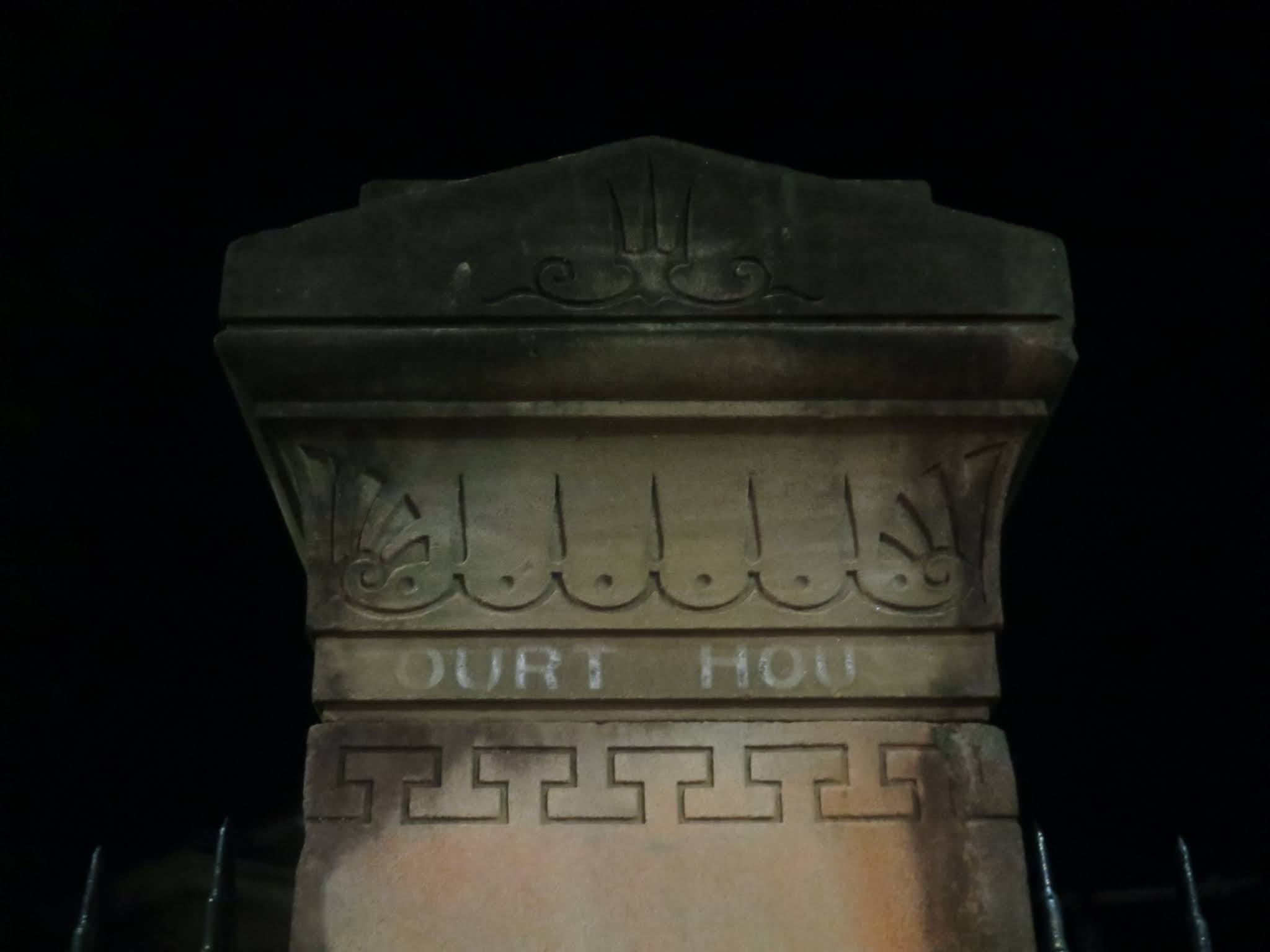
Darlinghurst Gaol - Taylor Square - Darlinghurst 


Ten Things  You May Not Have Known About Darlinghurst Gaol. 


1. In The Early 1820's, The NSW Colonial Administration Decided To Invest In A New Prison Facility. A Site was Identified At Darlinghurst Hill & The Architect Francis Greenway Was Asked To Design It. Darlinghurst Gaol Was To Overlook Sydney As A Constant Reminder That Sydney Town Was A Convict Settlement. 
——————————————————————————————————
2. In 1822, Construction Of The Walls Began Using Convict Labour. After An Early Flurry, Funds Eventually Ran Out And Work On The Site Stopped. Sydney's Existing Jail At The Rocks Eventually Suffered From Intense Overcrowding & Public Pressure Led The Darlinghurst  Gaol Project To Restart In 1835. 


The Later Designs Of The Prison By Architect Mortimer Lewis, Were Radically Changed by George Barney, Who Then Took Over The Project. After 1841 Even George Barneys Designs Were Changed By The Administration To Fit In More Prisoners In The Complex. 

In The Original Plans, Each Cell Was To Accommodate 1 Prisoner, But That Was Changed To Each Cell Holding 3 Prisoners. Outside The Walls, Near The Front Entrance, Effluent & Sewage Collected In A Big Pond, With The Stench Rising Up To Greet Anyone Who Came Past It.

———————————————————————————————————


3. The First Prisoners Were Housed In 1841. However, The Prison Itself was Not Completed Until 1881. 
———————————————————————————————————


4. Over The Decades, The Darlinghurst Gaol Hosted Some Significant Prisoners, Including - 

Poet Henry Lawson. Lawson, Who Did Time For Drunkeness & Non Payment Of Alimony, Recorded His Experience In His 1908 Poem, One Hundred & Three - His Prison Number 

- Captain Moonlight

———————————————————————————————————


5. Makeshift Public Gallows Were Locates Outside The Main Gate In Forbes Street. A Permanent Gallows Was Located Inside The Main Wall Near The Intersection If Darlinghurst Road & Burton Street. Among The 79 People Executed Was Notorious Bushranger Captain Moonlight In 1880.

Also Executed - John Knatchbull - Hanged in 1844

- jimmy Governor - Hanged in 1901
- The Last Woman Hanged In NSW Was Louisa Collins in January 1889

———————————————————————————————————


6. Conditions In The Gaol Deteriorated & It Was Plagued With Drainage, Security & Disease Problems. The Long Bay Gaol Superceded Darlinghurst When It Opened In 1914 With Such Mod Cons As Cell Lighting & A Prison Library. 
——————————————————————————————————


7. The Jail Was Used As An Internment Camp During World War One. In 1921 The Buildings Were Converted Into The East Sydney Technical College. 
———————————————————————————————————


8. In 1921, The National Art School Also Took Up Residence In The Old Prison Buildings. Students Who Passed Through The NAS Include -

 Margaret Olley, Ken Done, Max Dupain, Reg Mombasaa & The Sculptor Raynor Hoff, James Gleeson, John Coburn, Fiona Hall, Wendy Sharp, Jeffrey Smart, John Olsen, 
————————————————————————————————


9. Also Within The Complex Is The Cell Block Theatre Which Was Announced In 1955 By Hollywood Legend Katherine Hepburn. Hepburn Made a Speech Noting How Appropriate It Was That A Member Of The Second Oldest  Profession In The Business,  Should Open A Building Which Had Housed Women From the Oldest Profession. 
——————————————————————————


10. Darlinghurst Gaol Is The Oldest Surviving Large Jail Complex In Australia. 
——————————————————————————————————————————————————————————————————————
——————————————————————————————————————————————————————————————————————
Prisoners Were Marched In Chains From The Decaying Prison In Old George Street North To The Big New Gaol In Darlinghurst In 1841. 
There were 159 fillings in the cavalcade, 119 men and 40 women.
Three years later a crowd of 10,000 were outside the Gaols Great Stone Wall To  Watch Murderer John Knatchbull hang on the public gallows. Until 1852 All Hangings Were public. The last hanging out the jail was in 1907, of the 67th Person to die on the gallows there.
The Gaol Had Been Planned In 1835, was a long time building. 13 years earlier, convicts had begun to dig stone for its wall On Goat Island & in the Woolloomooloo Quarries. Some of the marks they carved in the blocks, So That A Tally could be kept Of Their Quota in the cut stone, Is Still Legible. 
The Gaol Was Planned by Mortimer Lewis, After The Original Designs From Francis Greenway Many Years before.   On An American Model, As A Series Of Curved buildings Grouped Around A Chapel. In 1840, A Time Of Depression, Free Labour Was Used On the Chief Gaoler's House And Two Cell Wings Under A Scheme To Ease 
"The Great Destitution Among The Working Classes."
Strenuous But Not Always Successful Efforts Were Made To Extract  Useful Work From The Prisoners, Who Worked At trades Seven hours A Day. Discipline Was Severe. 
One Of The Few Amenities Was the Fact That No Cell Had A Ceiling Less Than 10 Feet High. 
In World War 1, German Prisoners Of War Were Housed in the Gaol, & Long Bay Gaol Took Over The Criminals. In 1921 The Massive Buildings Threw off their Ugly Past - Darlinghurst Gaol Opened Its Gates To Hopeful youth & Became East Sydney Technical College. 


2022 - The Latest News About The Darlinghurst Site 


 Darlinghurst Law Courts To Become Centre Of New Cultural Precinct


St Peter's Church - Watson's Bay

Known About.....

St Peter's Church.... Watson's Bay NSW


1. The Chirch Will Celebrate It's 150th Anniversary In June 2014. It Was Formed On June 22 1863.

2. St Peter's Was Built To A Design By Edmund Blackett. Since It's Establishment, It Has Played  A Pivotal Role In Community Life In Watson's Bay.


3.  The Pipe Organ In The West Gallery Is Among The Oldest in Sydney. It Was Built In 1796 By Robert And William Gray From London. Legend Suggests It Was Lent To Emperor Napolean, Long Before It Was Installed In The Church In 1920. 

4. Records Indicate That Support For An Anglican Church Dates From 1847. At A Meeting On June 27, 1847, Bishop Broughton, The Bishop Metropolitan, Expressed His Desire That The Proposed Watson's Bay Church Should Be Named St Peters. But It Then Took 17 More Years To Build. The First Church Built In Watson's Bay Was An Independent Chapel Built Near South Head Lighthouse In 1839. 

5. The Gates Were Added In 1929, Signalling The Completion Of The Church As A Full Parish. The Gates Were Dedicated To The Memory Of Those Killed In The Greycliffe Ferry Disaster


6. The Original Hall Was Built As An Addition On 1911. The Church's Rectory Was Built In 1923.


7. For The First 10 Years Of St Peter's History, It Was A. Branch Church Of St Marks In Darling Point. With The Opening Of All Saints Church  In Woolahra, In 1876, The District Of Watsons Bay Was Transferred To That Parish. It Remained There For 25 Years. 
By 1900, The Congregation Had Built Up To 17 Families Paying Pew Rents, Which Enabled St Peter's To Be Properly Furnished And To Establish A Sizable Sunday School. 


8. John and Janette Howard were Married There In 1971. The Former Prime Minister And His Wife Wed On April 4


9. St Peter's Church Was Officially Consecrated Almost 150 Years Ago On December 27, 1864. It Was Consecrated By Dr Barker, Who Was Then Bishop Metropolitan Of Sydney. Dr Barker Was Assisted By Dean Cowper, Dean Of Sydney, And Rev Kemmis. Rev Kemmis Saw St Peter's Constructed And Then Consecrated During His Time Looking After The Church Between 1864 &1876.


10.

Woolloomooloo Wharf - Woolloomooloo - Sydney

My 16th 2014

10 Things You May Not Have Known About......
WOOLLOOMOOLOO WHARF


1. The Finger Wharf Or Woolloomooloo Bay Is The Longest Timber Piled Wharf In The World & The Longest Finger Wharf.


2. It Was Built By The Sydney Harbour Trust Between  1911 & 1915. It Was Designed By The Trusts Engineer In Chief... Henry Walsh


3. The Wharf Has A Length Of 410 Metres & A Width Of 64 Metres, & Is Composed Of Two Side Sheets Running Almost The Length Of The Jetty,  Connected By A Covered Roadway. 


4. The Finger Wharf Was An Operational Working Wharf For Much Of The 20th Century. During Its working Life, For About 70 Years, It Primarily  Handled The Export Of Wool. It Took Overseas Shipping From Europe & America As Well As From The Pacific. 
It Also Acted As A Staging Point For Troop Deployment To Both World Wars, As a Well As A Disembarking Point For New Migrants Arriving In Australia.


5. By The 1970's, New Container Ports With Larger Wharfing Facilities And Cruise Liner Terminals Around The City Meant The Use If The Wharf Declined.
By The 1980's The Wharf Lay Derelict & In 1987, The NSW Government Decided To Demolish it.


6. A New 440 Berth Marina & Resort Was Approved To Replace The a Wharf But When The Demolition Work Was Due To Begin In January 1991, Locals Blocked The Entry To The Site. 


7. Public Sentiment Was For Retention, & A Host Of Public Meetings Were Held Before Unions Imposed A Green Ban Which Stopped Demolition Crews From Undertaking Work


8. Other Uses For The Site Were Canvassed & Included A Museum Of Work & Industry. 


9. In 1999, The Walker Corporation & Multiplex Completed A 300 Million Makeover That Created 300 Apartments, A Hotel, & A Marina. The Development Has Attracted Famous Tenants... Among From Russell Crowe & John Laws. 


10. Woolloomooloo Wharf Is Among One Of Sydney's Best Dining Strips With Otto, Manta & China Doll Among Those Restaurants To Call It Home. The Blue Hotel Is a operated By The Taj Hotel Group. 


St Mary’s Cathedral - College Street & Art Gallery Road


 ST MARYS CATHEDRAL 


Cnr Of College Street & Cathedral Street 


The dramatic beginnings of Roman Catholicism in Australia lie on Church Hill. Where St Patrick’s college stands, next to the old church of the same name, was the cottage of ex-convict William Davies, Irish rebel. For two years in 1818 to 1820, he secretly sheltered the sacrament consecrated by A priest deported from New South Wales for saying mass without permission.


There had Been Roman Catholics in New South Wales from the time of the first fleet, but their religion as prescribed. They were obliged, on penalty of flogging for absenteeism, to attend protestant services. Sacrament on Church Hill kept hope alive At a time when the felling of persecution Was intense. 


Macquarie had deported the unauthorised father Jeremiah Flynn as he feared  that designing artful priest might stir up a spirit of resentment among the Irish in the colony.
But it was Macquarie who, three years later, magnanimously laid the foundation stone of St Mary’s chapel, the first Roman catholic church in Australia.


This was on the side where the great basilica now stands, opposite Hyde Park. Macquarie, a mason of many years standing made a neat joke about the fact that he had trowellef the stone into  place.
St Mary’s Became A Cathedral after the first Bishop, Dr Polding arrived in 1835.


The enlarged Gothic building burnt down in
1865, and the temporary wooden church also destroyed by fire.
Another wooden pro cathedral  was built and was used until the first part of William Wardell’s Great perpendicular gothic Cathedral could be opened in 1882.
Work went on until 1928, but Unfinished Between spires  that were planned for it


The  First St Mary's Church Was A Much Smaller Building Than The One We Know Today. The First Mass Was Held In Its Simple Stone Structure In 1833. 
In the Years Later After A Bellflower. offices, Cloister & Library Were Added. 
4. The Church Was Destroyed Fire On June 29, 1865. Plans For The Construction of A New, Larger Cathedral Were Immediately Put Into Place.
Architect William Wardell, A Man With A Reputation For Building In The Gothic Revival Style, Designed The New Building. 
5. Archbishop Polding Had Given William Wardell A Completely Free Hand On The Design. "Any Plan, Any Style, Anything That Is Beautiful & Grand, To The Extent Of Our Power," The Archbishop Wrote To The Architect. 
The Cathedrals  Nave Was Completed In 1928, Which Ended The Construction Period which Had Taken 60 Years & Cost 700,000 Pounds. 


Yet For Almost Another 75 Years, st Mary's Cathedral Remained In Many Peoples Minds Unfinished. Two Squared Off Towers, Rather Than Wardell's Original Plans For Spires , Framed The Building.
With The Assistance Of A Grant From The NSW Government, The Spires Were Built In 2000. 


The Bells Of St Mary's Cathedral Were The Only Feature To Survive After The June 1865 Fire. Cast at The white Chapel Foundry In London, They Were Traded In For A New ring Of Eight Bells, Which Were Installed In1881. 


Three Popes Have Visited St Mary's Cathedral Including Pope Paul XI In 1980, Pope John Paul II In 1986 & 1995, & Pope Benedict XVI, As Part Of World Youth Day Celebrations Held In Sydney In 2008. 


A House For God In Old Sydney Town - Catholic Weekly


Elizabeth Bay House - Elizabeth Bay - Sydney - New South Wales

Elizabeth Bay House - Elizabeth Bay - New South Wales 

Elizabeth Bay House, built in the 1830s for Colonial Secretary Alexander Macleay, is among Sydney’s finest surviving Regency / Greek Revival houses. Its once-extensive gardens were subdivided, yet the white-stone villa remains a landmark of Elizabeth Bay. This post gathers historic views of the house together with notes on Macleay, architect John Verge, and later conservation.

Elizabeth Bay House, Elizabeth Bay, Sydney — historic exterior and setting view.

10 things you may not have known about Elizabeth Bay House

1. It was built between 1835 and 1839 in the Regency architectural style and was originally surrounded by a 22-hectare garden in what was then the fashionable suburb of Woolloomooloo Hill. The area has evolved into the densely populated suburb of Elizabeth Bay.

2. The rooms, sweeping staircase and lavish furnishings reveal the tastes of its original owner, Alexander Macleay, the one-time Colonial Secretary of New South Wales. Magnificent gardens expressed his passion for the natural world, but the downturn of the 1840s ushered him towards financial ruin.

3. Macleay arrived in Sydney from England in January 1826 with his wife, Eliza, nine of ten surviving children, and his extensive entomological collection. At the time, he possessed the finest and most extensive collection of any private individual in England.

4. Architect John Verge produced a design for a splendid “marine villa” in the Greek Revival style, which was at its peak of popularity then.

5. A nearby grotto with accompanying stone walls and steps, plus several trees, are all that remain of the original extensive garden. It held Macleay’s considerable native and exotic plant collection, an orchard and kitchen garden.

6. The main axis of the house is aligned with the winter solstice. Though no documents are known to discuss this feature, it is not likely to be an accident.

7. For the remainder of the 19th century and well into the 20th century, Elizabeth Bay House had a chequered history, with the property being subdivided. The gardens were reduced to a small fragment. The house became home for a succession of tenants, including many artists.

8. In 1961 the National Trust started to list and publicise important historic places. Elizabeth Bay House was one of the first 50 places named.

9. In 1977 the house was extensively restored and refurbished, initially so it could become the official residence of the Lord Mayor of Sydney. Later Elizabeth Bay House became one of the first properties acquired by the Historic Houses Trust.

10. The property was used as the setting for a Jessica Mauboy music video in 2010.

3. Macleay Arrived In Sydney From England In January 1826, With His Wife Eliza, Nine Of Ten Surviving Children, And His Extensive Entomological Collection. At The Time, He Possessed The Finest And Most Extensive Collection Of Any Private Individual In England. 

4. Architect John Verge Produced A Design For A Splendid "Marine Villa" In The Greek Revival Style, Which Was At Its Peak Of Popularity Then. 

5. A Nearby Grotto With Accompanying Stone Walls And Steps, Plus Several Trees, Are All That Remain Of The Original Extensive Garden. It Held Macleay's Considerable Native And Exotic Plant Collection, An Orchard And Kitchen Garden. 

6. The Main Axis Of The House Is Aligned With The Winter Solstice. Though No Documents Are Known To Discuss This Feature, It Is Not Likely To Be An Accident. 

7. For The Remainder Of The 19th Century And Well Into The 20th Century, Elizabeth Bay House Had A Chequered History. With The Property Being Subdivided. THE gardens Were Reduced To A Small Fragment. The House Became Home For A Succession Of Tenants, Including Many Artists. 

8. In 1961 The National Trust Started To List And Publicise Important Historic Places. Elizabeth Bay House Was One Of The First 50 Places Named. 

9. In 1977, The House Was Extensively Restored And Refurbished, Initially So It Could Become The Official Residence Of The Lord Mayor Of Sydney. Later Elizabeth Bay House Became One Of The First Properties Acquired By The Historic Houses Trust 

10. THE property Was Used As The Setting For A Jessica Mauboy Music Video In 2010

Elizabeth Bay House, Elizabeth Bay — historic view; the subject is not further labelled on the file.

“A few days ago I saw one of the most perfect places I ever saw in my life.”
Mrs Robert Lowe wrote to her mother in 1842.

“The drive to the house is cut through rocks covered with the splendid wild shrubs and flowers of this country. Here and there an immense primeval tree. The house is built of white stone and looks like a nobleman’s place. In the garden are the plants of every climate from Rio to the West and East Indies, China and even England. Bulbs from the Cape and beautiful roses are to be seen. Oranges, lemons, citrons, guavas and pomegranates are in full bloom.”

But there were drawbacks to the garden of Elizabeth Bay House, home of Alexander Macleay, Colonial Secretary of New South Wales, as seen through the eyes of an English woman accustomed to soft greenness. It was too dry; the plants grew out of sandy white soil. “A few English showers,” she observed, “would improve it.”

Macleay’s domain was 54 acres and was the wonder of the colony. The land had come to him in 1828 as a grant from Governor Darling, who respected his knowledge as a naturalist and horticulturalist. Macleay completed Elizabeth Bay House in 1837, but lived there only nine years.

His heirs used pistols and bloodhounds to guard the treasures of the garden against despoilers. But in the long run there was no defence against land hunger. A great slice of the garden was sold in 1875, and the rest of the estate was cut up in 1927.

Today, a few yards of earth are the only setting left for one of the finest examples of Regency architecture in Sydney.

"The Drive To The House Is Cut Through Rocks Covered With The Splendid Wild Shrubs And Flowers Of This Country. Here And There An Immense Primevil Tree. The House Is Built Of White Stone And Looks Like A Nobleman's Place. In The Garden Are The Plants Of Every Climate From Rio To The West And East Indies, China And Even England. Bulbs From The Cape And Beautiful Roses Are To Be Seen. Oranges, Lemons, Citrons, Guavas And Pomegranites Are in Full Bloom"
But There Were Drawbacks To the Garden  Of Elizabeth Bay House, Home Of Alexander Macleay, Colonial Secretary Of New South Wales, As Seen Through the Eyes of An English Woman Accustomed To Soft Greeness. it Was Too Dry; The Plants Grew out of Sandy White Soil. "A few English Showers" She Observed "Would Improve It."
Macleay's Domain Was 54 Acres And Was The Wonder Of the Colony.
The Land Had Come To Him In 1828 As A grant From Governor Darling, Who Respected his Knowledge As A Naturalist And Horticulturalist. Macleay Completed Elizabeth Bay House In 1837, But Lived There Only 9 Years. 
His Heirs Used Pistols & Bloodhounds To Guard The Treasures Of the Garden Against Despoilers. But In The Long Run There Was no Defence Against Land Hunger.
A Great Slice Of the Garden Was Sold In 1875; And The Rest Of The Estate Was Cut Up In 1927. 
Today.... A Few Yards Of Earth Are the Only Setting Left For One Of The Finest Examples Of Regency Architecture in Sydney... 


Elizabeth Bay House, Elizabeth Bay — historic photograph from the IMG 2584 file; the subject is not further labelled beyond the house theme.

Elizabeth Bay House, Elizabeth Bay — historic photograph from the IMG 2583 file; the subject is not further labelled beyond the house theme.

Juniper Hall – Paddington


10 Things You May Not Have Known About.... Juniper Hall - Paddington - Sydney


1. Juniper Hall Was Built In 1824 By Emancipated Convict & Father Of 248, Robert Cooper. He Had Promised His Third Wife Sarah That She Would Have The Finest House In All The Colony.


2. Cooper, a Gin Distiller, Named His New Home Juniper Hall, After The Juniper Berry Used In The Spirit's Distillation. 


3. Cooper Leased The Property To An Irish Lawyer & NSW Attorney General John Kinchela In 1831. Kinchela Renamed The House Ormonde House. The "e" Was Dropped Shortly After & To This Day The Street To The West Of Juniper Hall Bears The Name Ormond Street. 


4. Cooper Was Declared Bankrupt In 1849 & By 1852 The Property Was Leased To The Society For The Relief Of Destitute Children. Up To 130 Children Called Juniper Hall Home During This Time. 


5. In 1885, The House Was Bought By The NSW Government & Extended With A Large Addition To The Eastern End.  The Extension Was Built In A Similar Style To The Original & Used As The Probation Office For The Metropolitan Shelter For Children & The Children's Court. 


6. The Building Was Eventually Sold To A Shoemaker, Joe Gardiner, & In The Early 1920s He Proposed To Demolish It & Build Flats   (WHO WOULD'VE THOUGHT.....) After a Public Outcry, Gardiner Instead Converted The House To Flats & Built A Row Of Shops On The Oxford Street Frontage. 


7. In 1984, After 60 Years As Residential Flats, The Building Was Bought By The National Trust Of Australia. A Restoration Project Demolished The Row Of Shops.


8. Juniper Hall Is The Oldest Surviving Mansion From The Time Of Governor Lachlan Macquarie (1810 - 1821). It Is Also The Oldest Building East Of The City. The Position Of The House On The Top Of A Ridge Line Means It Has Views Across The Harbour To The North & To Botany Bay To The South. 


9. In September 2012, The Home Went Under The Hammer & A 99 Year Lease Was Secured By The Moran Family. The Morans Bought The Title For More Than $4 Million & Have Since Restored The Ground Level. 
10. The Moran Family Is Related To The Original Juniper Hall Inhabitants, The Cooper Family.

Central Station – From Cemetery to Train Station


10 Things You Might Not Have Known About

 - Central Station

1. Central Station Was Built On Top Of A Cemetery. Devonshire Street Cemetery Was Acquired By The Government To Build The Station in 1901. 

2. Central Station As It Stands Was Sydney's Third Station.The Original Station Was Built In Redfern in 1855. An Upgraded Station Was Built In 1870 But Both Were Considered Too Small & Too Far Away From The City Centre By 1885. 

3. The Station Opened on August 4th, 1906. Stage Two, Incorporating two Additional Floors, Began In 1915 But World War 1 Slowed Construction Considerably & It Was Not Completed Until 1921. 

4. The Foundation POf Central's Sandstone Clock Tower Was Laid On Setember 26th, 1903.It Was Not Completed Until 10.22amon March 3rd, 1921, When The Clock Started Ticking

5. Prior To Electric Trains & Underground Lines, Central Consisted Of 19 Terminal Platforms.,.In 1926 , New Platforms (16-23) Were Built At A Higher Level To Service The City circle & North Shore Lines Over The Sydney Harbour Bridge. 

6. Platforms Servicing The Eastern Suburbs Were Built In 1979.  They Are Platforms 24 & 25

7. The First Train To Leave The New Station Left From Platform 12.  It Made A Special Run To Parramatta. 

8. central Is The Busiest Station In Sydney.  It Services About 146,000 Travellers Per Day. 

9.Many Sites & Plans Were Put Forward Before The Old Devonshire Strret Cemetery Was Chosen. A Hyde Park Station Was ALso On The Drawing Board

 
10. Pitt Street Was Widened  & Eddy Avenue Created As Part Of The Station Master Plan. The Plan Required The Relocations Of Major City Infrastructure, Including A Tram Depot, The Police Superintendant's Residence In Pitt Street, The Police Barracks, The Benevolent Society & Christ Church Parsonage.

Advance Australia Fair - Australian National Anthem

Peter Dodds McCormick, a Scottish-born Sydney schoolteacher and band man, wrote and composed Advance Australia Fair in the late 1870s — first performed under that title in Sydney on St Andrew’s Day, 30 November 1878. For a century it jostled with God Save the Queen, Waltzing Matilda and Song of Australia as the tune people wanted at the end of a show.

Whitlam’s government adopted it in April 1974; Fraser put the royal anthem back in 1976 while keeping Fair in the mix; a May 1977 plebiscite preferred Fair. The lasting legal moment is 19 April 1984, when Governor-General Sir Ninian Stephen proclaimed the tune and the two modern verses as the Australian National Anthem, with God Save the Queen reserved as the royal anthem. The same proclamation locked in green and gold as the national colours. Older lyric sheets on this post may still mention Britannia — the official text does not.


Advance Australia Fair - The Australian National Anthem


Australians All Let Us Rejoice, 
For We Are Young & Free
We've Golden Soil & Wealth For Toil
Our Home Is Girt By Sea
Our Land Abounds In Nature's Gifts
Of Beauty Rich & Rare;
In History's Page, Let Every Stage
Advance Australia Fair
In Joyful Strains Then Let Us Sing.... Advance Australia Fair
 
Beneath Our Radiant Southern Cross,
We'll Toil With Hearts & Hands;
To Make This Commonwealth Of Ours 
Renowned Of All The Lands;
For Those Who've Come Across The Sea
We've Boundless Plains To Share;
With Courage Let Us All Combine
To Advance Australia Fair......
In Joyful Strains Then Let Us Sing..... Advance Australia Fair...
**************************************************

The Original 1879 Advance Australia Fair


Verse 1
Australia's Sons Let Us Rejoice, 
For We Are Young & Free;
We've Golden Soil & Wealth For Toil, 
Our Home Is Girt By Sea;
Our Land Abounds In Nature's Gifts Of Beauty Rich & Rare;
In History's Page, Let Every Stage, Advance Australia Fair.....
In Joyful Strains Then Let Us Sing.......... Advance Australia Fair


Verse 2
When Gallant Cook From Albion Sailed,
To Trace Wide Ocean's O'er,
True British Courage Bore Him On, 
Till He Landed On Our Shore. 
Then Here He Raised Old England's Flag, The Standard Of The Brave;
"With All Her Faults We Love Her Still"
"Britannia Rules The Wave"
In Joyful Strains Then Let Us Sing...... Advance Australia Fair 


Verse 3 
While Other Nations Of The Globe Behold Us From Afar, 
We'll Rise To High Renown & Shine Like Our Glorious Southern Star;
From England Soil & Fatherland, Scotia & Erin Fair
Let All Combine With Heart & Hand To Advance Australia Fair
In Joyful Strains Then Let Us Sing...... Advance Australia Fair 
Verse 4 
Should Foreign Foe E'er Sight Our Coast Or Dare a Foot To Land
We'll Rouse To Arms Like Sires Of Yore, To Guard Our Native Strand;
Britannia Then Shall Surely Know, Though Ocean's Roll Between, 
Her Son's In Fair Australia's Land Still Keep Their Courage Green
In Joyful Strains Then Let us Sing...... 
Advance Australia Fair.........