Search This Blog
Thursday, May 28, 2015
Darlinghurst Gaol – Taylor Square – Bourke Street – Forbes Street – Burton Street – Darlinghurst Road
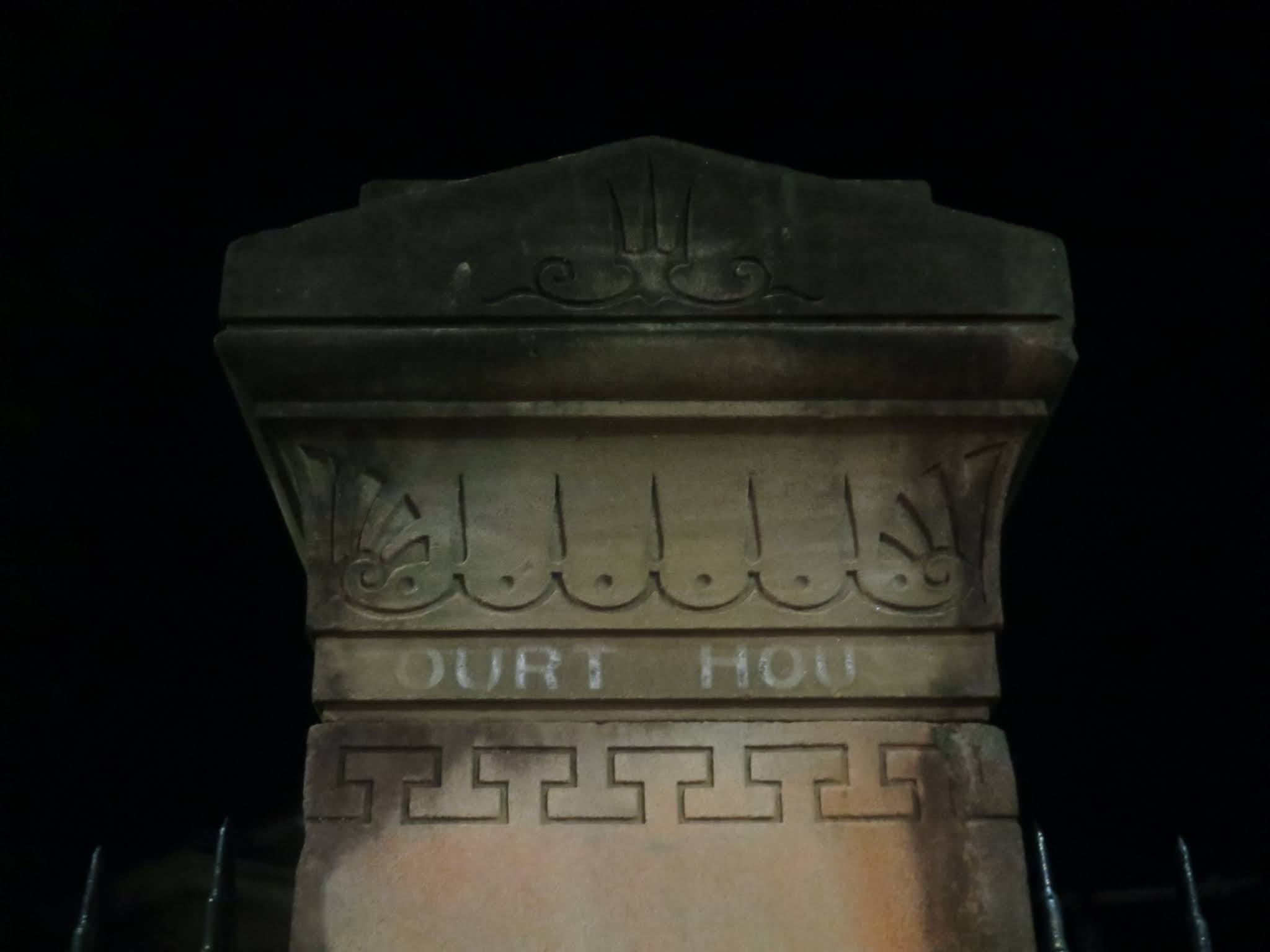
1. In The Early 1820's, The NSW Colonial Administration Decided To Invest In A New Prison Facility. A Site was Identified At Darlinghurst Hill & The Architect Francis Greenway Was Asked To Design It. Darlinghurst Gaol Was To Overlook Sydney As A Constant Reminder That Sydney Town Was A Convict Settlement.
———————————————————————————————————
3. The First Prisoners Were Housed In 1841. However, The Prison Itself was Not Completed Until 1881.
———————————————————————————————————
———————————————————————————————————
6. Conditions In The Gaol Deteriorated & It Was Plagued With Drainage, Security & Disease Problems. The Long Bay Gaol Superceded Darlinghurst When It Opened In 1914 With Such Mod Cons As Cell Lighting & A Prison Library.
7. The Jail Was Used As An Internment Camp During World War One. In 1921 The Buildings Were Converted Into The East Sydney Technical College.
Margaret Olley, Ken Done, Max Dupain, Reg Mombasaa & The Sculptor Raynor Hoff, James Gleeson, John Coburn, Fiona Hall, Wendy Sharp, Jeffrey Smart, John Olsen,
9. Also Within The Complex Is The Cell Block Theatre Which Was Announced In 1955 By Hollywood Legend Katherine Hepburn. Hepburn Made a Speech Noting How Appropriate It Was That A Member Of The Second Oldest Profession In The Business, Should Open A Building Which Had Housed Women From the Oldest Profession.
10. Darlinghurst Gaol Is The Oldest Surviving Large Jail Complex In Australia.
St Peter's Church - Watson's Bay
Woolloomooloo Wharf - Woolloomooloo - Sydney
10 Things You May Not Have Known About......WOOLLOOMOOLOO WHARF
1. The Finger Wharf Or Woolloomooloo Bay Is The Longest Timber Piled Wharf In The World & The Longest Finger Wharf.
2. It Was Built By The Sydney Harbour Trust Between 1911 & 1915. It Was Designed By The Trusts Engineer In Chief... Henry Walsh
3. The Wharf Has A Length Of 410 Metres & A Width Of 64 Metres, & Is Composed Of Two Side Sheets Running Almost The Length Of The Jetty, Connected By A Covered Roadway.
4. The Finger Wharf Was An Operational Working Wharf For Much Of The 20th Century. During Its working Life, For About 70 Years, It Primarily Handled The Export Of Wool. It Took Overseas Shipping From Europe & America As Well As From The Pacific.
It Also Acted As A Staging Point For Troop Deployment To Both World Wars, As a Well As A Disembarking Point For New Migrants Arriving In Australia.
5. By The 1970's, New Container Ports With Larger Wharfing Facilities And Cruise Liner Terminals Around The City Meant The Use If The Wharf Declined.
By The 1980's The Wharf Lay Derelict & In 1987, The NSW Government Decided To Demolish it.
6. A New 440 Berth Marina & Resort Was Approved To Replace The a Wharf But When The Demolition Work Was Due To Begin In January 1991, Locals Blocked The Entry To The Site.
7. Public Sentiment Was For Retention, & A Host Of Public Meetings Were Held Before Unions Imposed A Green Ban Which Stopped Demolition Crews From Undertaking Work
8. Other Uses For The Site Were Canvassed & Included A Museum Of Work & Industry.
9. In 1999, The Walker Corporation & Multiplex Completed A 300 Million Makeover That Created 300 Apartments, A Hotel, & A Marina. The Development Has Attracted Famous Tenants... Among From Russell Crowe & John Laws.
10. Woolloomooloo Wharf Is Among One Of Sydney's Best Dining Strips With Otto, Manta & China Doll Among Those Restaurants To Call It Home. The Blue Hotel Is a operated By The Taj Hotel Group.
St Mary’s Cathedral - College Street & Art Gallery Road
ST MARYS CATHEDRAL
Cnr Of College Street & Cathedral Street
The dramatic beginnings of Roman Catholicism in Australia lie on Church Hill. Where St Patrick’s college stands, next to the old church of the same name, was the cottage of ex-convict William Davies, Irish rebel. For two years in 1818 to 1820, he secretly sheltered the sacrament consecrated by A priest deported from New South Wales for saying mass without permission.
There had Been Roman Catholics in New South Wales from the time of the first fleet, but their religion as prescribed. They were obliged, on penalty of flogging for absenteeism, to attend protestant services. Sacrament on Church Hill kept hope alive At a time when the felling of persecution Was intense.


Macquarie had deported the unauthorised father Jeremiah Flynn as he feared that designing artful priest might stir up a spirit of resentment among the Irish in the colony.
But it was Macquarie who, three years later, magnanimously laid the foundation stone of St Mary’s chapel, the first Roman catholic church in Australia.


This was on the side where the great basilica now stands, opposite Hyde Park. Macquarie, a mason of many years standing made a neat joke about the fact that he had trowellef the stone into place.
St Mary’s Became A Cathedral after the first Bishop, Dr Polding arrived in 1835.


The enlarged Gothic building burnt down in
1865, and the temporary wooden church also destroyed by fire.
Another wooden pro cathedral was built and was used until the first part of William Wardell’s Great perpendicular gothic Cathedral could be opened in 1882.
Work went on until 1928, but Unfinished Between spires that were planned for it


The First St Mary's Church Was A Much Smaller Building Than The One We Know Today. The First Mass Was Held In Its Simple Stone Structure In 1833.
In the Years Later After A Bellflower. offices, Cloister & Library Were Added.
4. The Church Was Destroyed Fire On June 29, 1865. Plans For The Construction of A New, Larger Cathedral Were Immediately Put Into Place.
Architect William Wardell, A Man With A Reputation For Building In The Gothic Revival Style, Designed The New Building.
5. Archbishop Polding Had Given William Wardell A Completely Free Hand On The Design. "Any Plan, Any Style, Anything That Is Beautiful & Grand, To The Extent Of Our Power," The Archbishop Wrote To The Architect.
The Cathedrals Nave Was Completed In 1928, Which Ended The Construction Period which Had Taken 60 Years & Cost 700,000 Pounds.


Yet For Almost Another 75 Years, st Mary's Cathedral Remained In Many Peoples Minds Unfinished. Two Squared Off Towers, Rather Than Wardell's Original Plans For Spires , Framed The Building.
With The Assistance Of A Grant From The NSW Government, The Spires Were Built In 2000.


The Bells Of St Mary's Cathedral Were The Only Feature To Survive After The June 1865 Fire. Cast at The white Chapel Foundry In London, They Were Traded In For A New ring Of Eight Bells, Which Were Installed In1881.
Three Popes Have Visited St Mary's Cathedral Including Pope Paul XI In 1980, Pope John Paul II In 1986 & 1995, & Pope Benedict XVI, As Part Of World Youth Day Celebrations Held In Sydney In 2008.

A House For God In Old Sydney Town - Catholic Weekly
Elizabeth Bay House - Elizabeth Bay - Sydney - New South Wales
Elizabeth Bay House - Elizabeth Bay - New South Wales
Elizabeth Bay House, built in the 1830s for Colonial Secretary Alexander Macleay, is among Sydney’s finest surviving Regency / Greek Revival houses. Its once-extensive gardens were subdivided, yet the white-stone villa remains a landmark of Elizabeth Bay. This post gathers historic views of the house together with notes on Macleay, architect John Verge, and later conservation.
10 things you may not have known about Elizabeth Bay House
1. It was built between 1835 and 1839 in the Regency architectural style and was originally surrounded by a 22-hectare garden in what was then the fashionable suburb of Woolloomooloo Hill. The area has evolved into the densely populated suburb of Elizabeth Bay.
2. The rooms, sweeping staircase and lavish furnishings reveal the tastes of its original owner, Alexander Macleay, the one-time Colonial Secretary of New South Wales. Magnificent gardens expressed his passion for the natural world, but the downturn of the 1840s ushered him towards financial ruin.
3. Macleay arrived in Sydney from England in January 1826 with his wife, Eliza, nine of ten surviving children, and his extensive entomological collection. At the time, he possessed the finest and most extensive collection of any private individual in England.
4. Architect John Verge produced a design for a splendid “marine villa” in the Greek Revival style, which was at its peak of popularity then.
5. A nearby grotto with accompanying stone walls and steps, plus several trees, are all that remain of the original extensive garden. It held Macleay’s considerable native and exotic plant collection, an orchard and kitchen garden.
6. The main axis of the house is aligned with the winter solstice. Though no documents are known to discuss this feature, it is not likely to be an accident.
7. For the remainder of the 19th century and well into the 20th century, Elizabeth Bay House had a chequered history, with the property being subdivided. The gardens were reduced to a small fragment. The house became home for a succession of tenants, including many artists.
8. In 1961 the National Trust started to list and publicise important historic places. Elizabeth Bay House was one of the first 50 places named.
9. In 1977 the house was extensively restored and refurbished, initially so it could become the official residence of the Lord Mayor of Sydney. Later Elizabeth Bay House became one of the first properties acquired by the Historic Houses Trust.
10. The property was used as the setting for a Jessica Mauboy music video in 2010.
3. Macleay Arrived In Sydney From England In January 1826, With His Wife Eliza, Nine Of Ten Surviving Children, And His Extensive Entomological Collection. At The Time, He Possessed The Finest And Most Extensive Collection Of Any Private Individual In England.
4. Architect John Verge Produced A Design For A Splendid "Marine Villa" In The Greek Revival Style, Which Was At Its Peak Of Popularity Then.
5. A Nearby Grotto With Accompanying Stone Walls And Steps, Plus Several Trees, Are All That Remain Of The Original Extensive Garden. It Held Macleay's Considerable Native And Exotic Plant Collection, An Orchard And Kitchen Garden.
6. The Main Axis Of The House Is Aligned With The Winter Solstice. Though No Documents Are Known To Discuss This Feature, It Is Not Likely To Be An Accident.
7. For The Remainder Of The 19th Century And Well Into The 20th Century, Elizabeth Bay House Had A Chequered History. With The Property Being Subdivided. THE gardens Were Reduced To A Small Fragment. The House Became Home For A Succession Of Tenants, Including Many Artists.
8. In 1961 The National Trust Started To List And Publicise Important Historic Places. Elizabeth Bay House Was One Of The First 50 Places Named.
9. In 1977, The House Was Extensively Restored And Refurbished, Initially So It Could Become The Official Residence Of The Lord Mayor Of Sydney. Later Elizabeth Bay House Became One Of The First Properties Acquired By The Historic Houses Trust
10. THE property Was Used As The Setting For A Jessica Mauboy Music Video In 2010
“A few days ago I saw one of the most perfect places I ever saw in my life.”
Mrs Robert Lowe wrote to her mother in 1842.
“The drive to the house is cut through rocks covered with the splendid wild shrubs and flowers of this country. Here and there an immense primeval tree. The house is built of white stone and looks like a nobleman’s place. In the garden are the plants of every climate from Rio to the West and East Indies, China and even England. Bulbs from the Cape and beautiful roses are to be seen. Oranges, lemons, citrons, guavas and pomegranates are in full bloom.”
But there were drawbacks to the garden of Elizabeth Bay House, home of Alexander Macleay, Colonial Secretary of New South Wales, as seen through the eyes of an English woman accustomed to soft greenness. It was too dry; the plants grew out of sandy white soil. “A few English showers,” she observed, “would improve it.”
Macleay’s domain was 54 acres and was the wonder of the colony. The land had come to him in 1828 as a grant from Governor Darling, who respected his knowledge as a naturalist and horticulturalist. Macleay completed Elizabeth Bay House in 1837, but lived there only nine years.
His heirs used pistols and bloodhounds to guard the treasures of the garden against despoilers. But in the long run there was no defence against land hunger. A great slice of the garden was sold in 1875, and the rest of the estate was cut up in 1927.
Today, a few yards of earth are the only setting left for one of the finest examples of Regency architecture in Sydney.
"The Drive To The House Is Cut Through Rocks Covered With The Splendid Wild Shrubs And Flowers Of This Country. Here And There An Immense Primevil Tree. The House Is Built Of White Stone And Looks Like A Nobleman's Place. In The Garden Are The Plants Of Every Climate From Rio To The West And East Indies, China And Even England. Bulbs From The Cape And Beautiful Roses Are To Be Seen. Oranges, Lemons, Citrons, Guavas And Pomegranites Are in Full Bloom"
But There Were Drawbacks To the Garden Of Elizabeth Bay House, Home Of Alexander Macleay, Colonial Secretary Of New South Wales, As Seen Through the Eyes of An English Woman Accustomed To Soft Greeness. it Was Too Dry; The Plants Grew out of Sandy White Soil. "A few English Showers" She Observed "Would Improve It."
Macleay's Domain Was 54 Acres And Was The Wonder Of the Colony.
The Land Had Come To Him In 1828 As A grant From Governor Darling, Who Respected his Knowledge As A Naturalist And Horticulturalist. Macleay Completed Elizabeth Bay House In 1837, But Lived There Only 9 Years.
His Heirs Used Pistols & Bloodhounds To Guard The Treasures Of the Garden Against Despoilers. But In The Long Run There Was no Defence Against Land Hunger.
A Great Slice Of the Garden Was Sold In 1875; And The Rest Of The Estate Was Cut Up In 1927.
Today.... A Few Yards Of Earth Are the Only Setting Left For One Of The Finest Examples Of Regency Architecture in Sydney...
Juniper Hall – Paddington
10 Things You May Not Have Known About.... Juniper Hall - Paddington - Sydney
Central Station – From Cemetery to Train Station
Advance Australia Fair - Australian National Anthem
Peter Dodds McCormick, a Scottish-born Sydney schoolteacher and band man, wrote and composed Advance Australia Fair in the late 1870s — first performed under that title in Sydney on St Andrew’s Day, 30 November 1878. For a century it jostled with God Save the Queen, Waltzing Matilda and Song of Australia as the tune people wanted at the end of a show.
Whitlam’s government adopted it in April 1974; Fraser put the royal anthem back in 1976 while keeping Fair in the mix; a May 1977 plebiscite preferred Fair. The lasting legal moment is 19 April 1984, when Governor-General Sir Ninian Stephen proclaimed the tune and the two modern verses as the Australian National Anthem, with God Save the Queen reserved as the royal anthem. The same proclamation locked in green and gold as the national colours. Older lyric sheets on this post may still mention Britannia — the official text does not.